

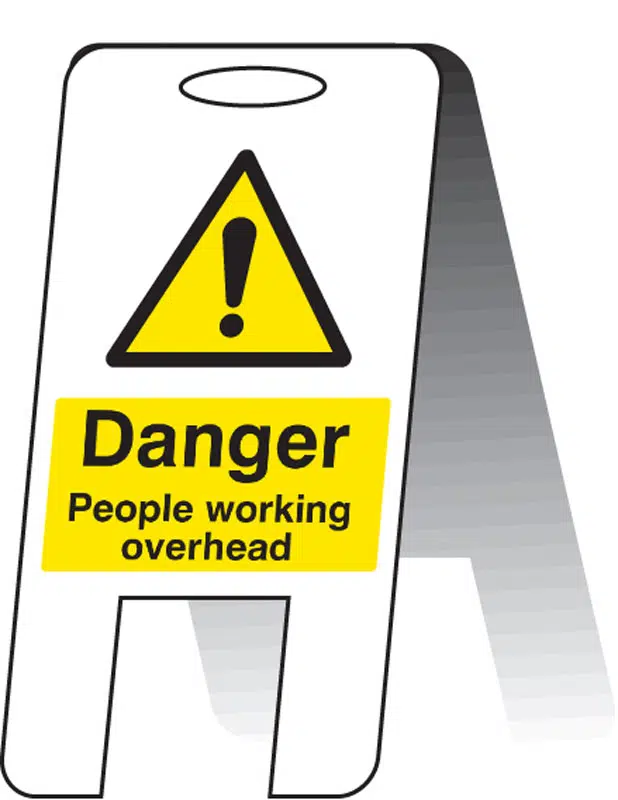
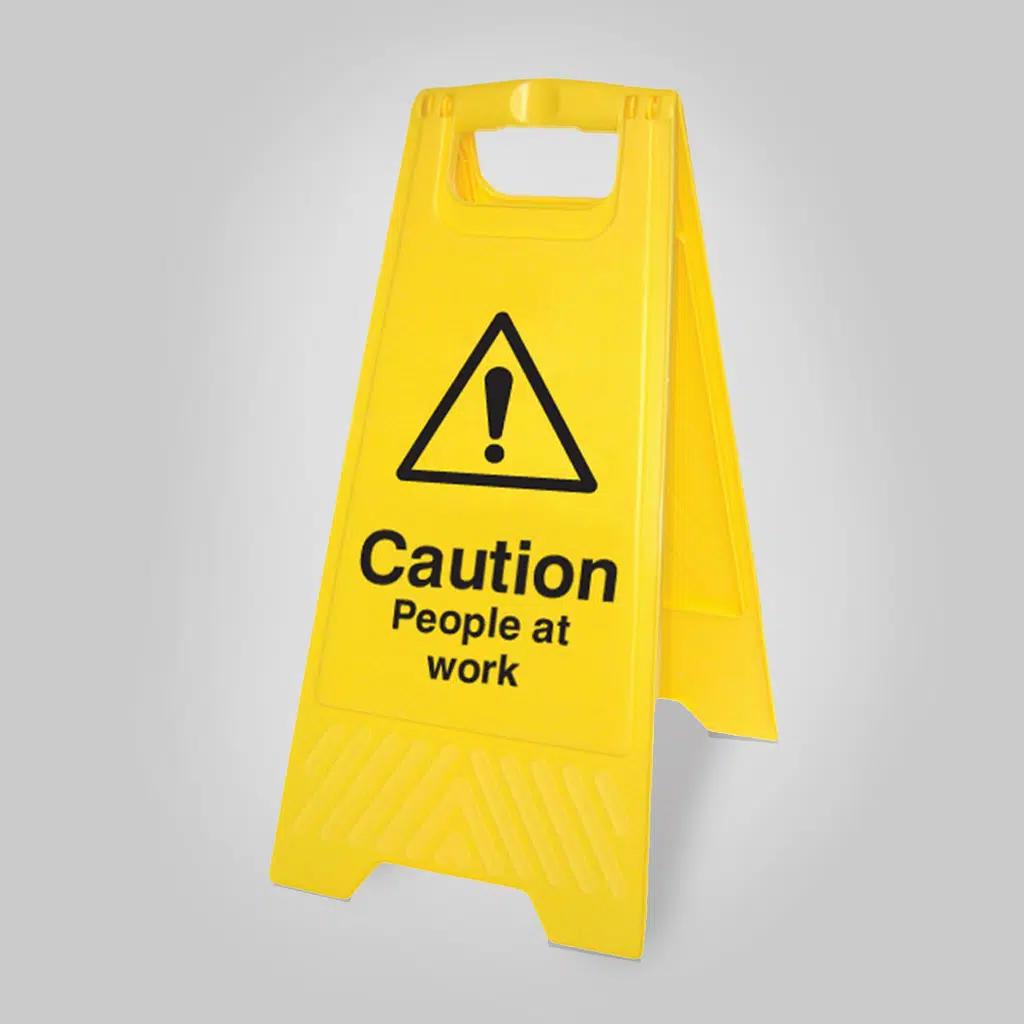
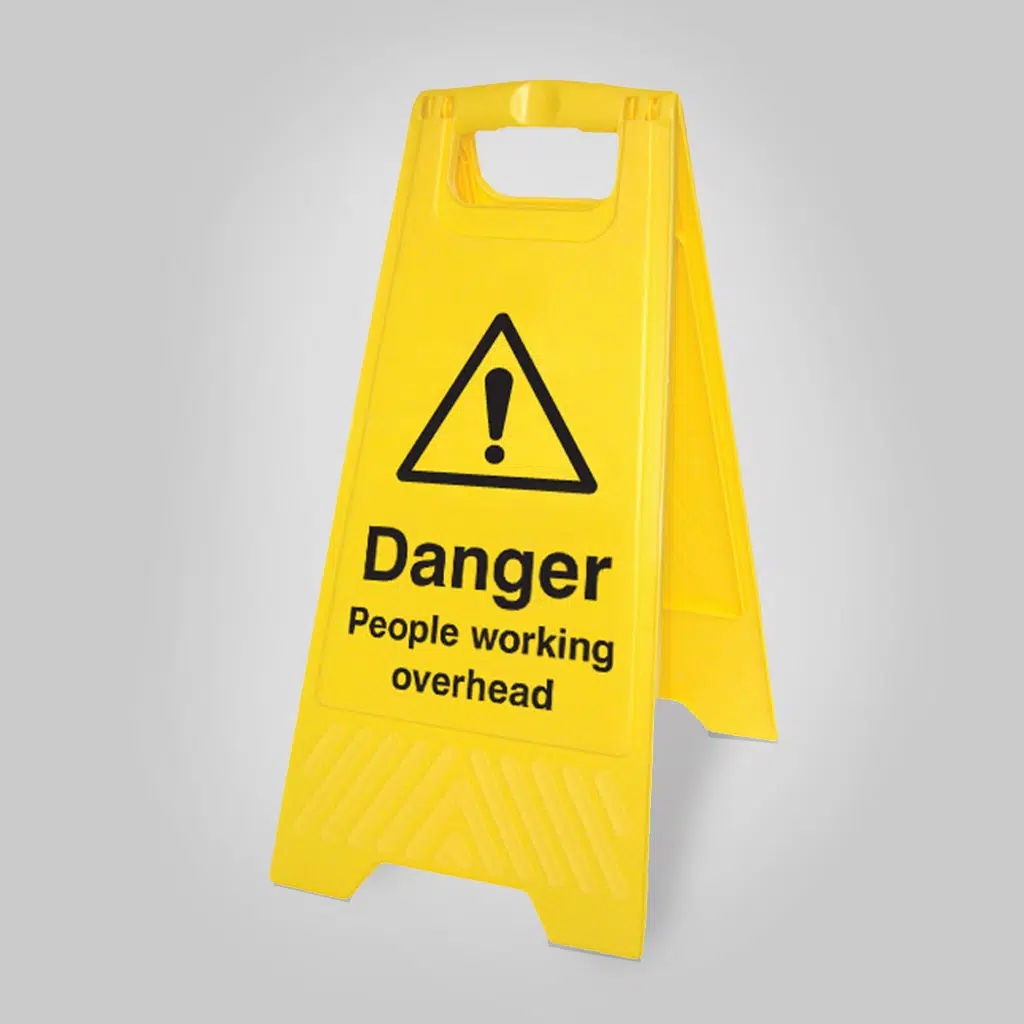
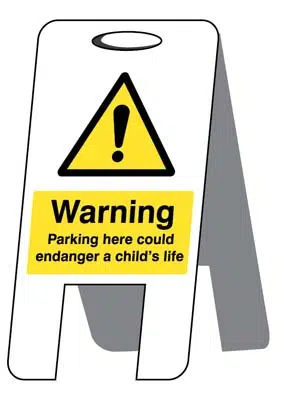
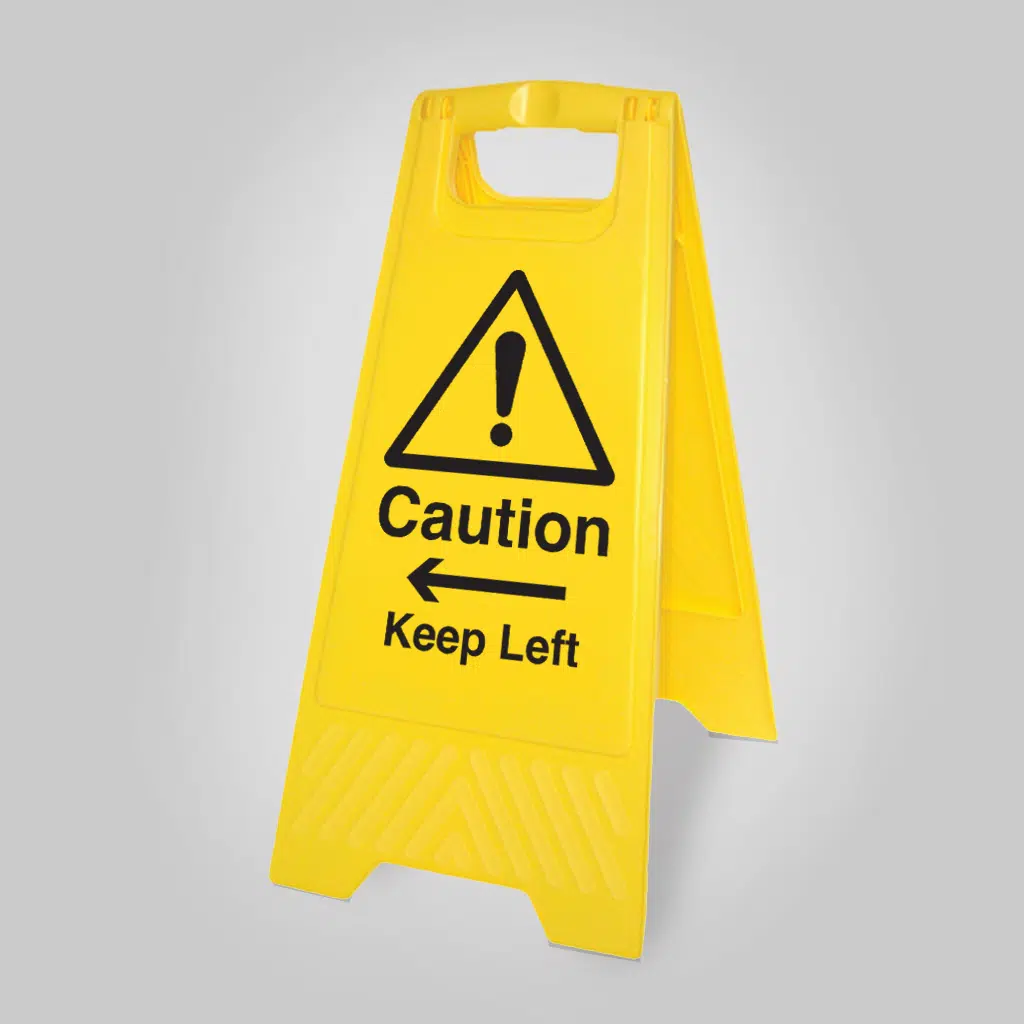


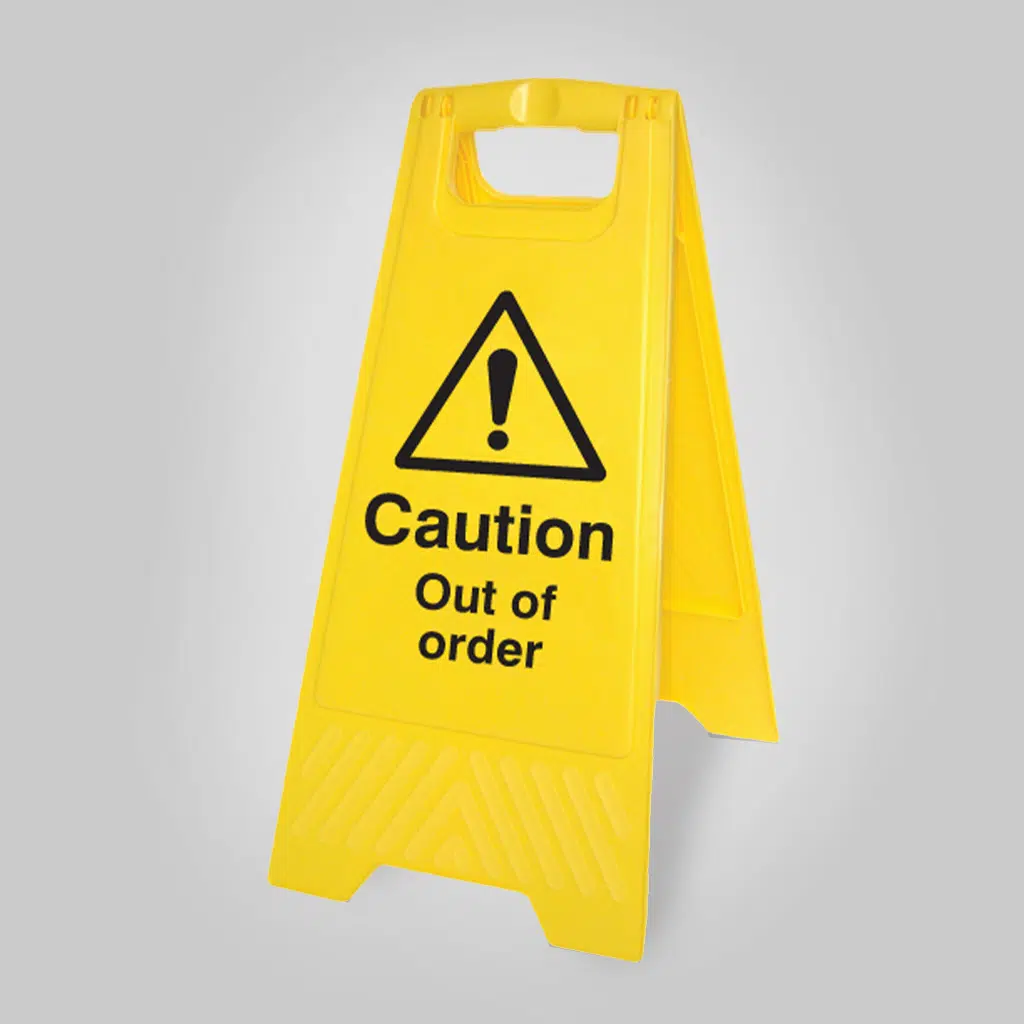


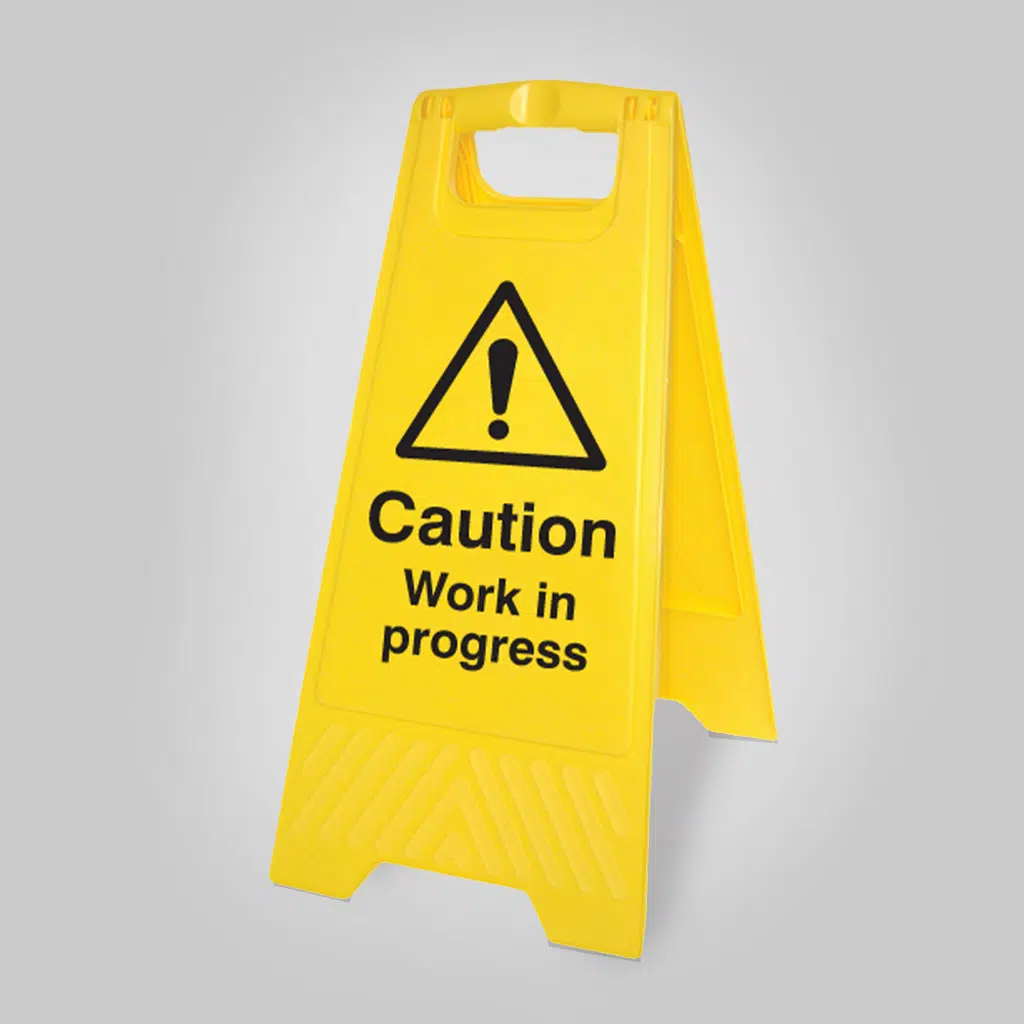
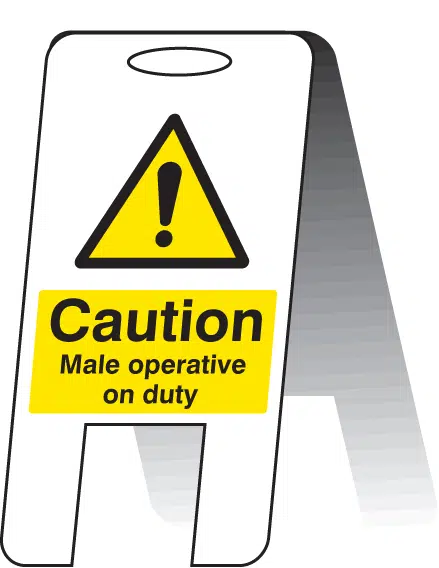
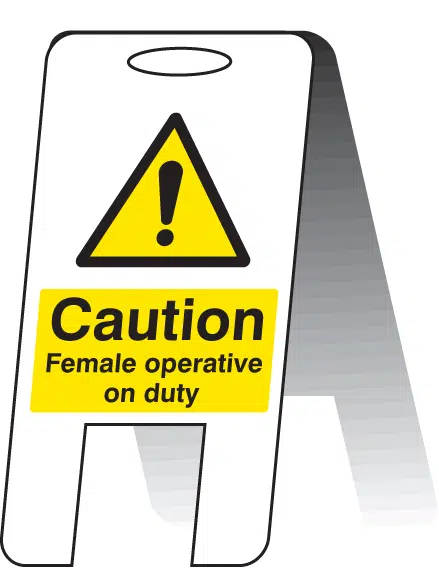

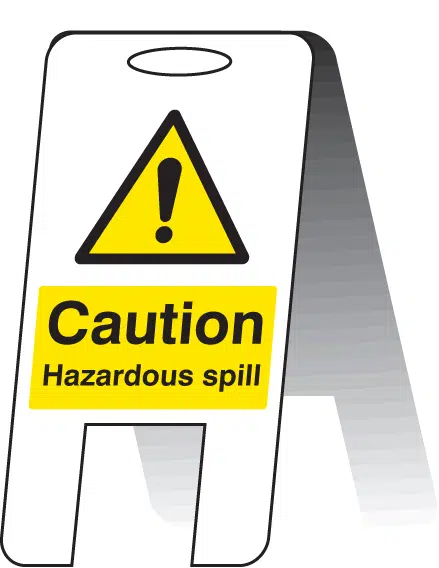

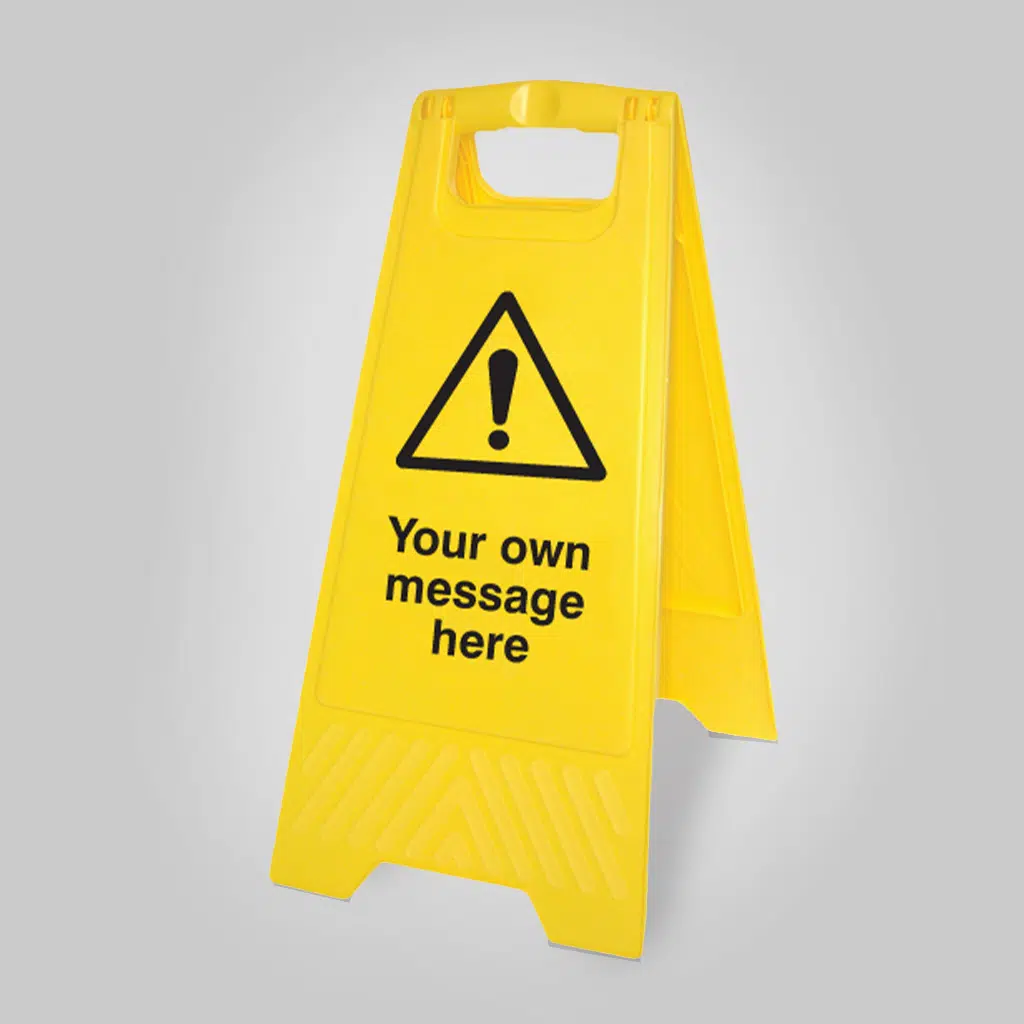

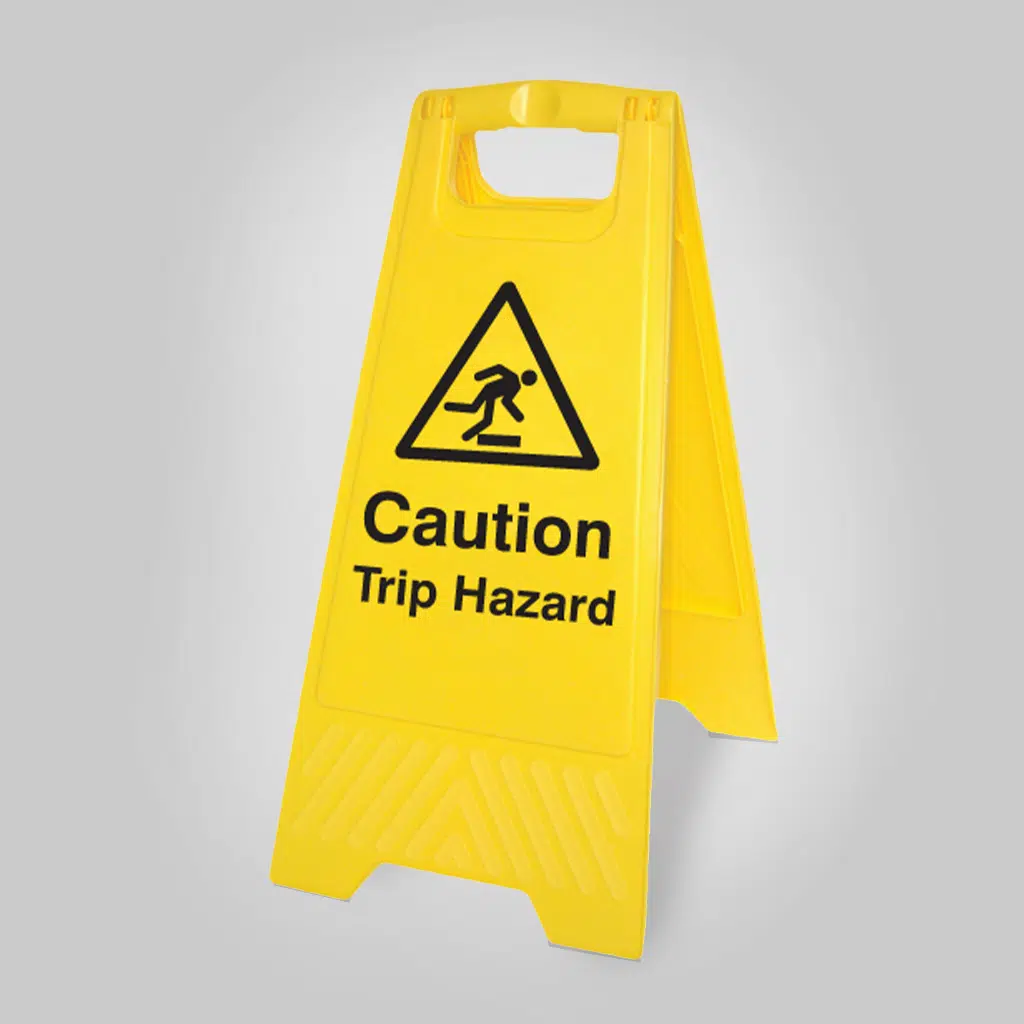
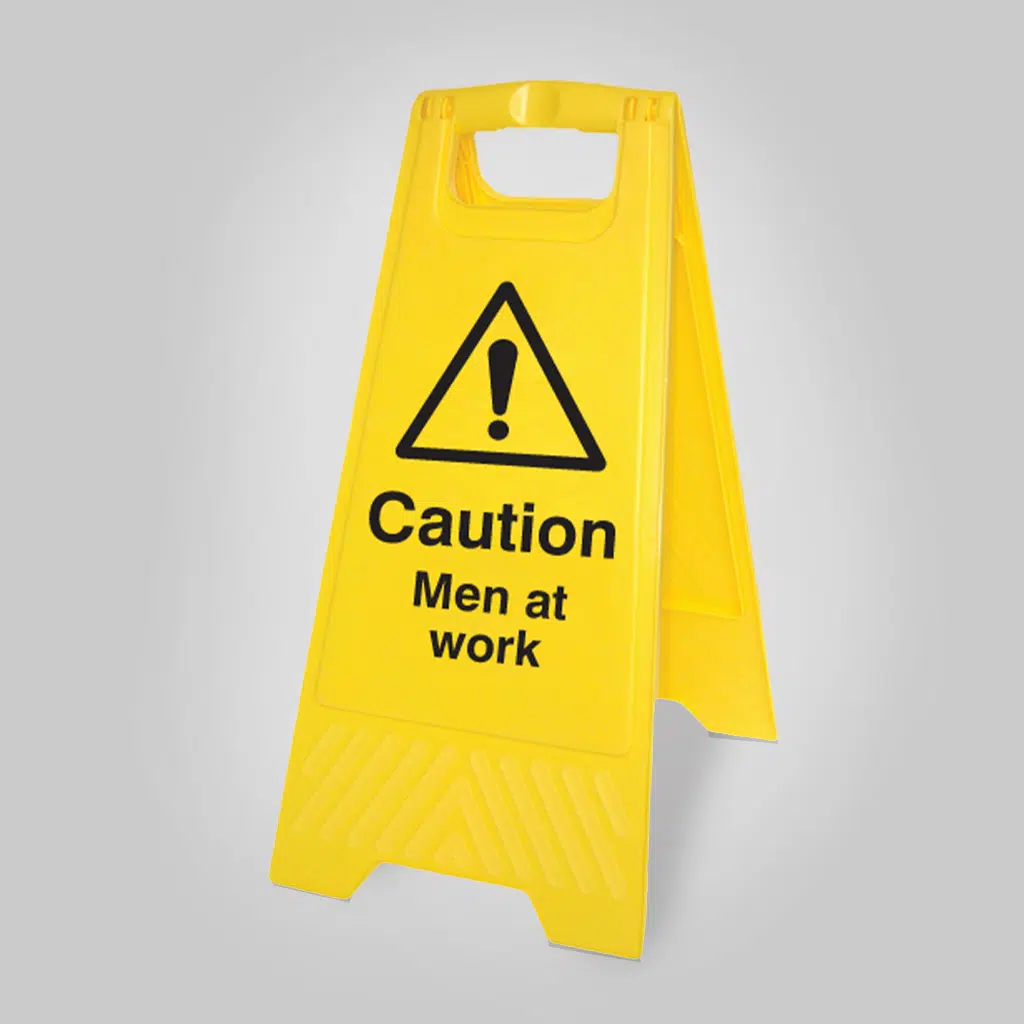
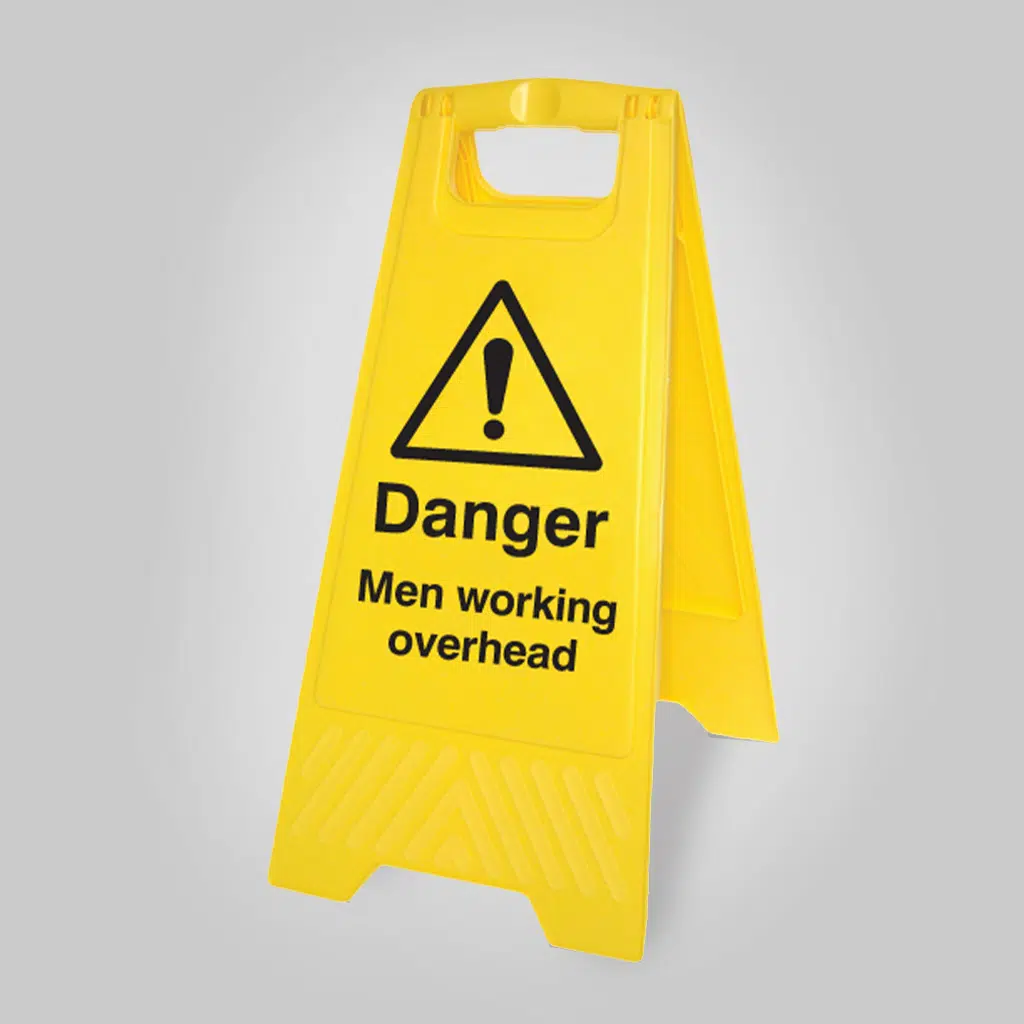
Freestanding warning signs provide a highly visible way to communicate temporary hazards, work areas and safety instructions without relying on a wall, door or permanent mounting point. This category includes self-standing folding signs and freestanding floor signs designed to be positioned directly where an immediate warning is required, making them particularly useful in busy workplaces, commercial premises and temporary work areas.
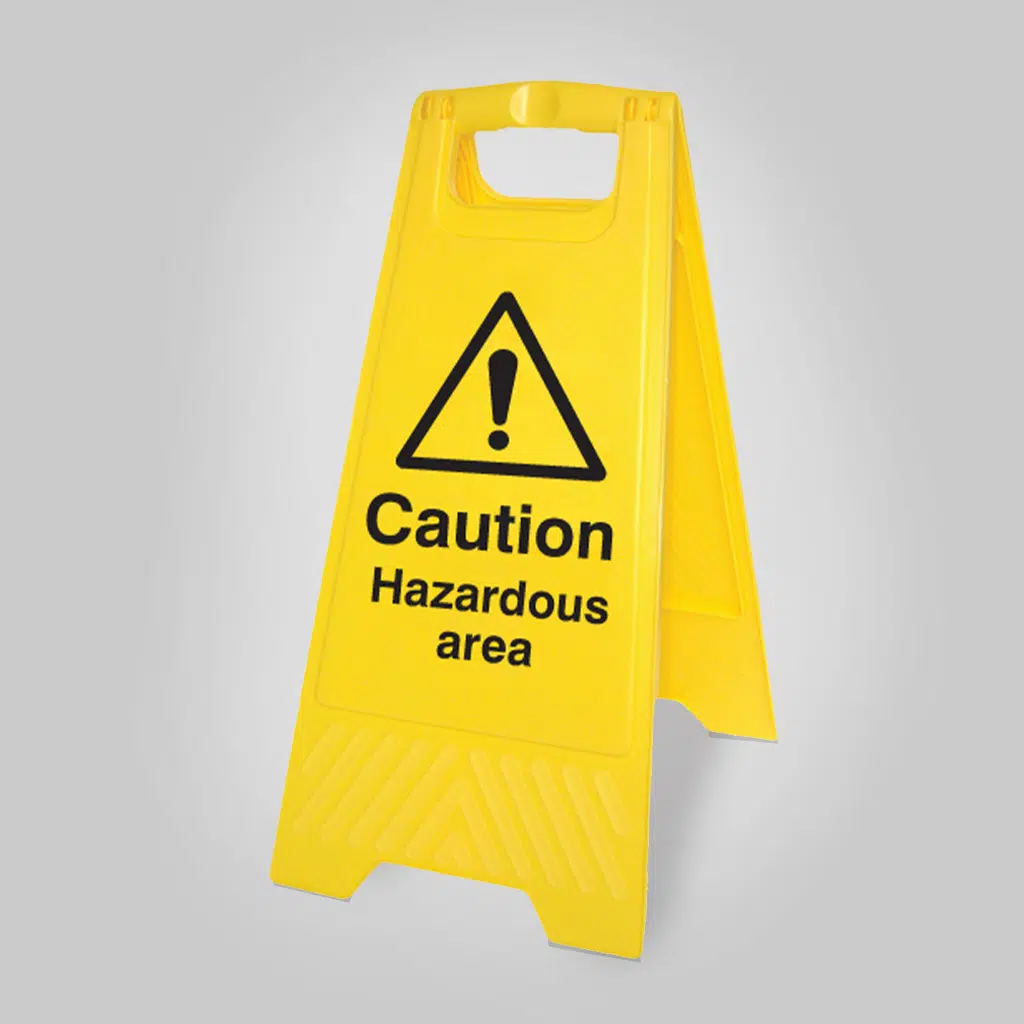
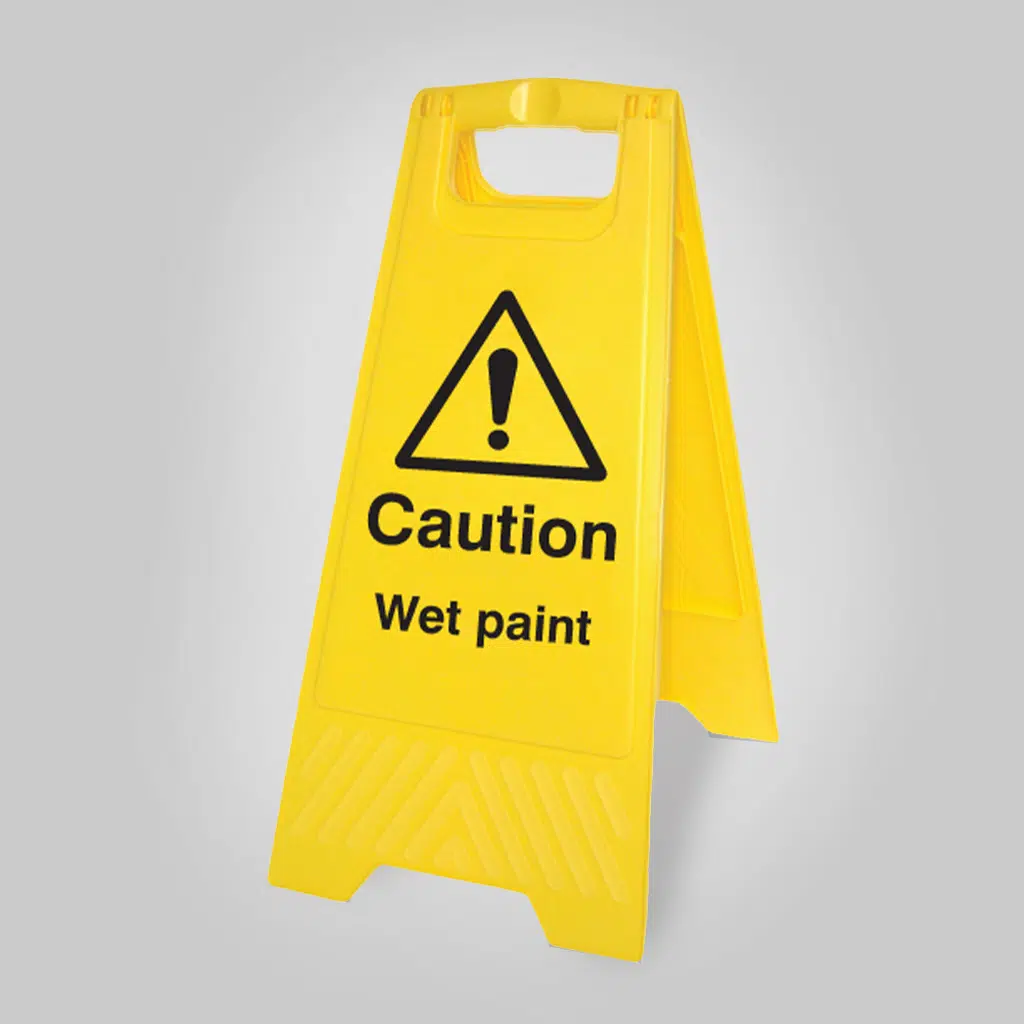
The range includes signs for common floor-level hazards such as wet floors, slippery surfaces, trip hazards and cleaning in progress. There are also dedicated messages for trailing cables, wet paint, areas closed for cleaning, hazardous areas and work in progress, allowing the warning to be placed directly at the point where the hazard or temporary condition exists.
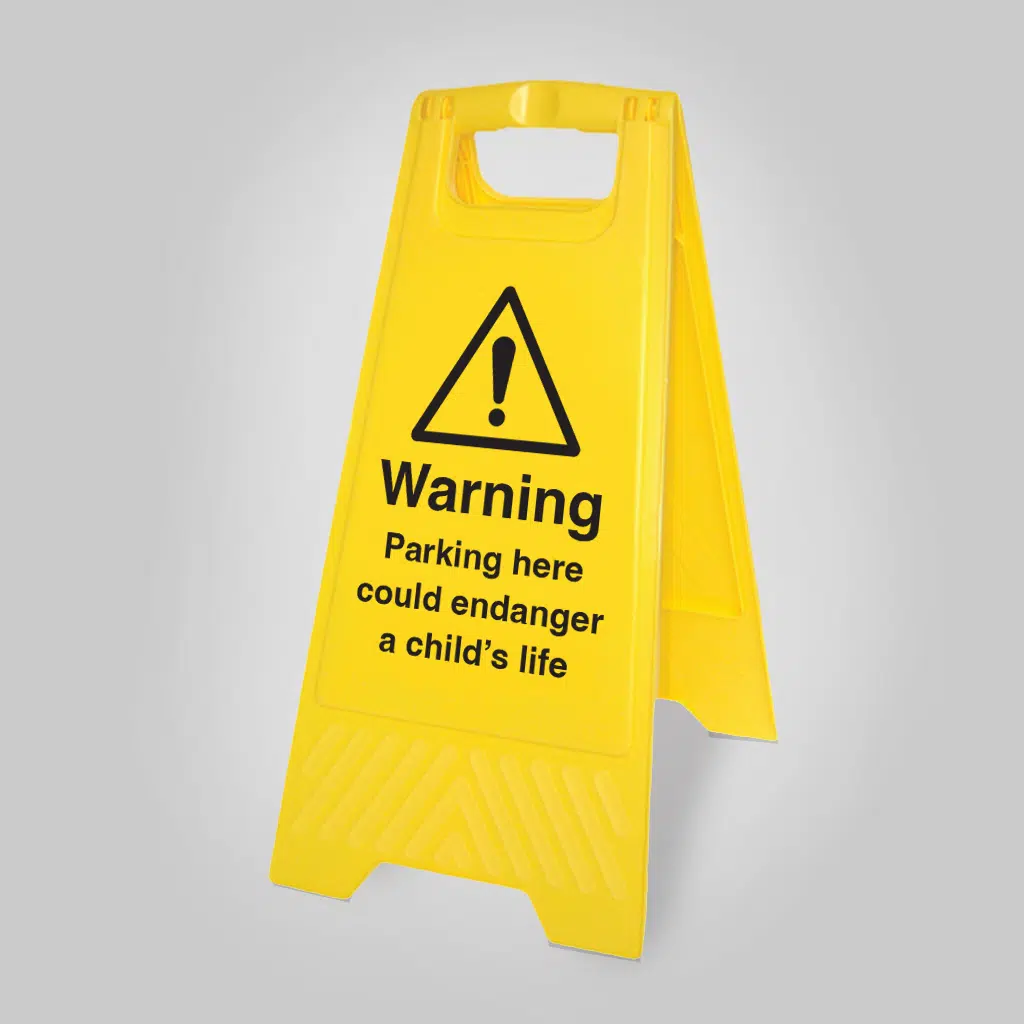
For workplace operations, the range includes freestanding warnings for forklift truck activity, people working overhead, men or women at work and other situations where a temporary change in conditions needs to be brought to people's attention. A dedicated parking warning for areas where stopping could endanger a child's life also provides a targeted option for specific high-risk locations.
Several products are available as traditional self-standing folding signs, while others use a freestanding yellow floor-sign format. This provides flexibility depending on the available space, the message required and how the sign needs to be positioned. The category also includes standard special and custom-message options, making it possible to communicate site-specific instructions where a predefined warning is not suitable.
Freestanding signage is particularly useful where hazards can change throughout the day or where a warning needs to be deployed quickly and then removed once the condition has passed. Cleaning areas, maintenance work, temporary access restrictions, operational activities and short-term hazards can all benefit from a sign that can be positioned exactly where attention is needed.
When selecting a freestanding warning sign, consider the hazard being communicated, where the sign will be positioned, the viewing direction and whether a folding or floor-standing format is more appropriate. Choosing the right message and display format helps ensure temporary warnings remain prominent, understandable and easy to reposition as site conditions change.