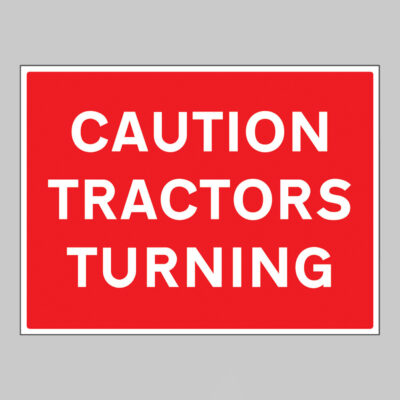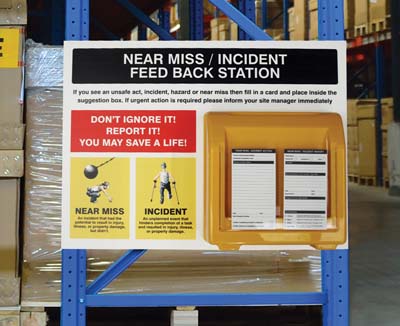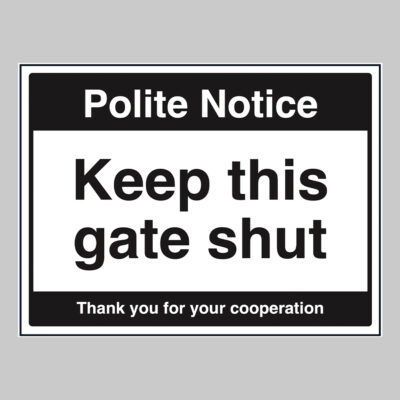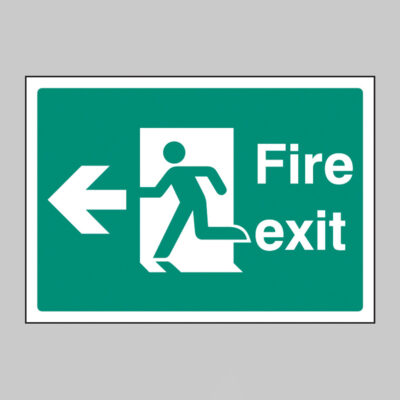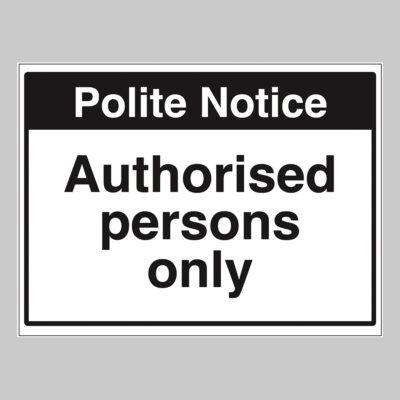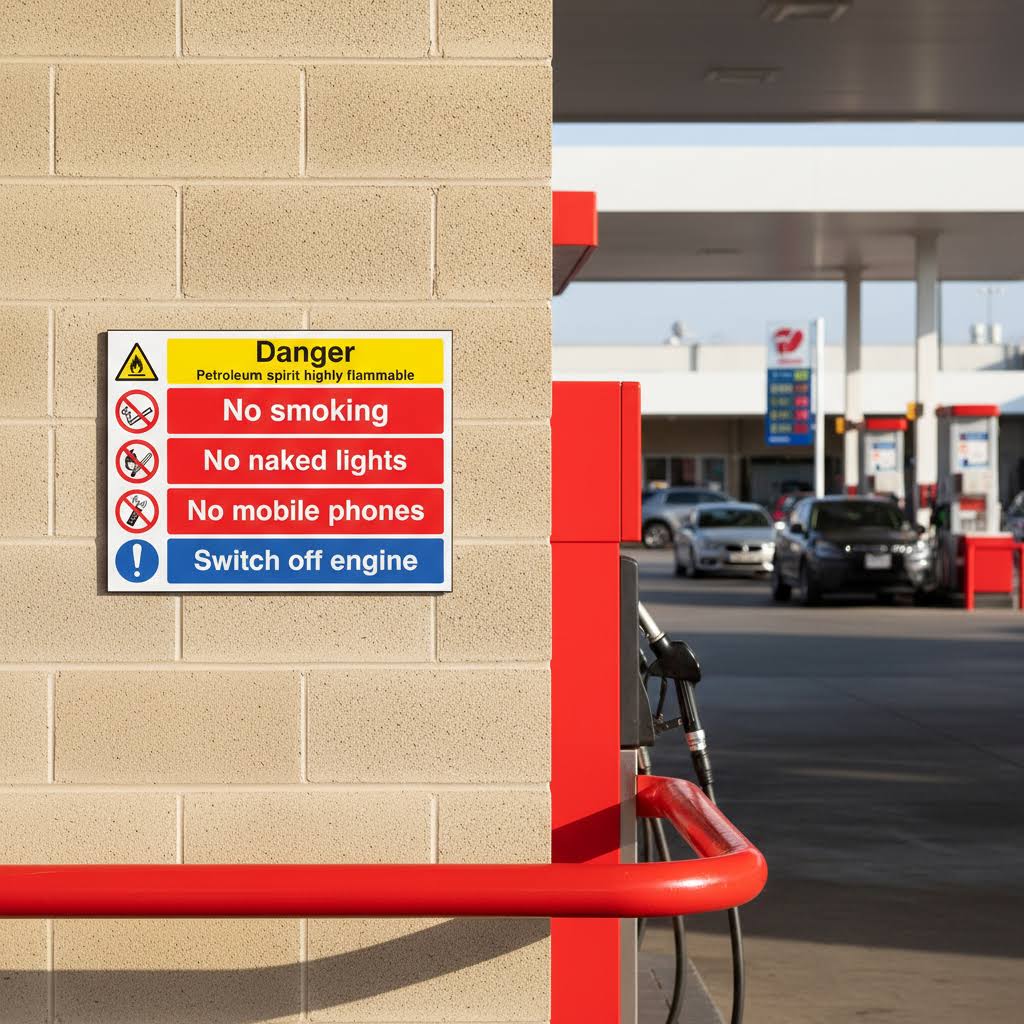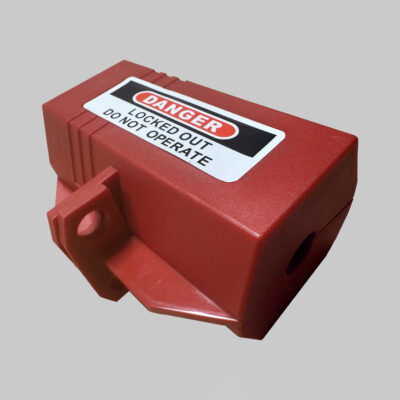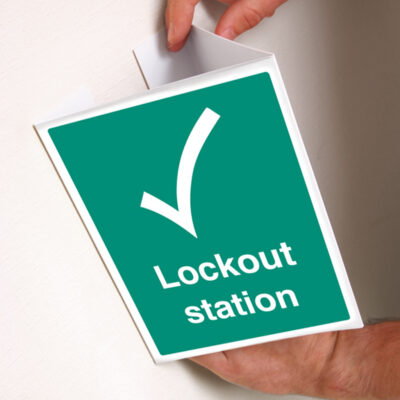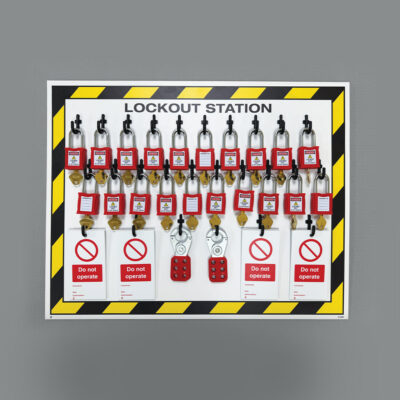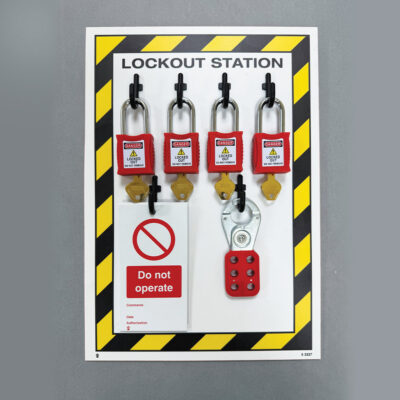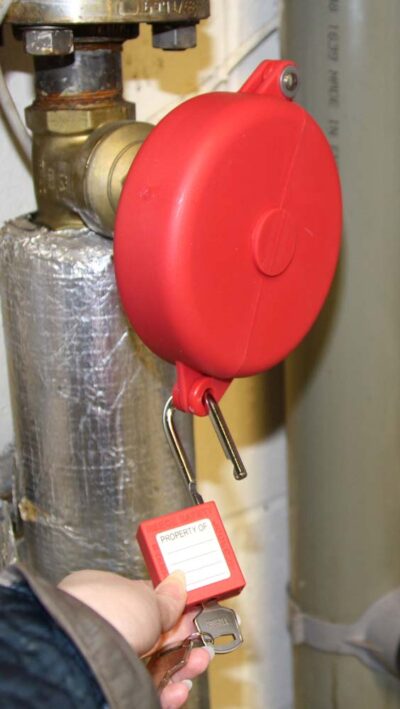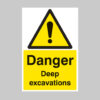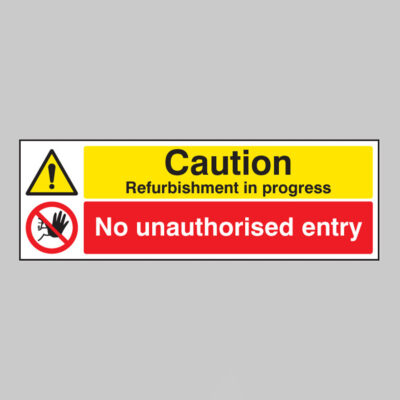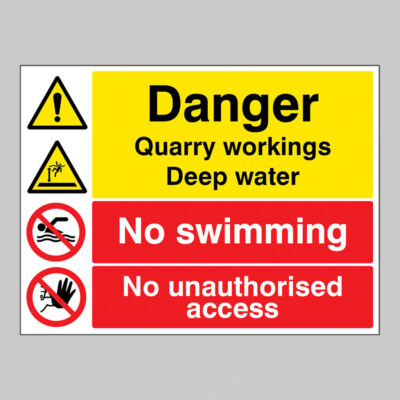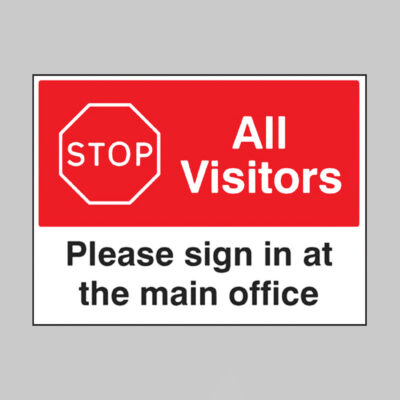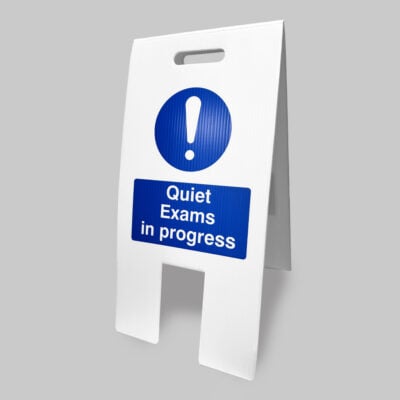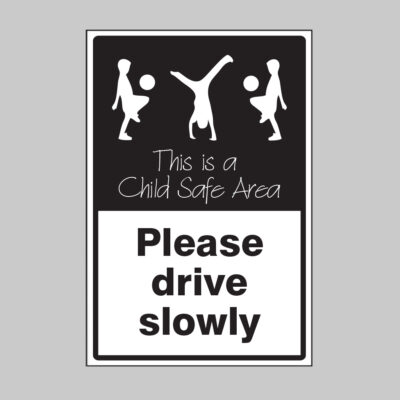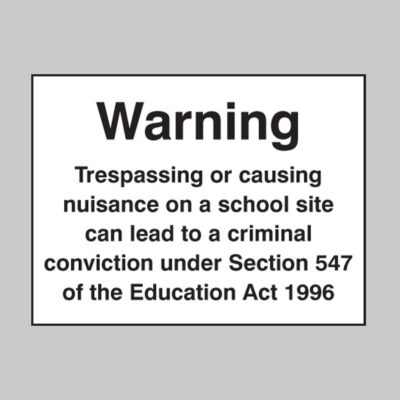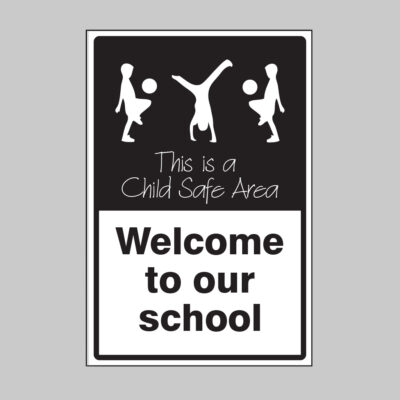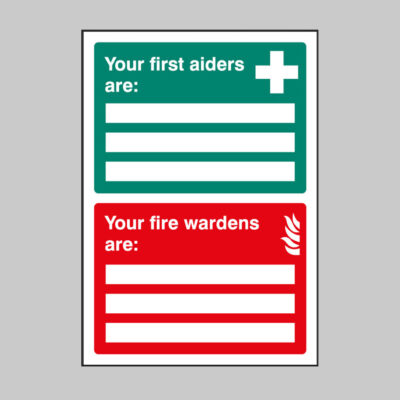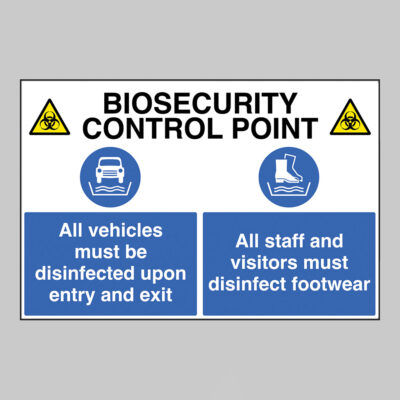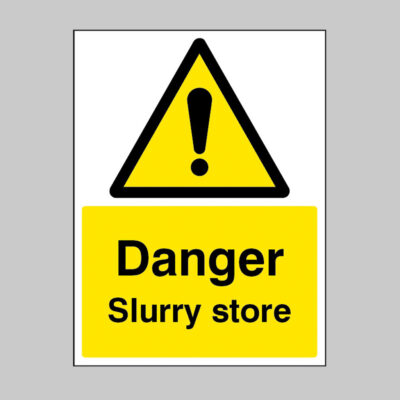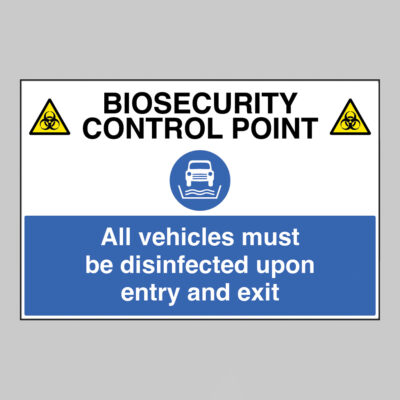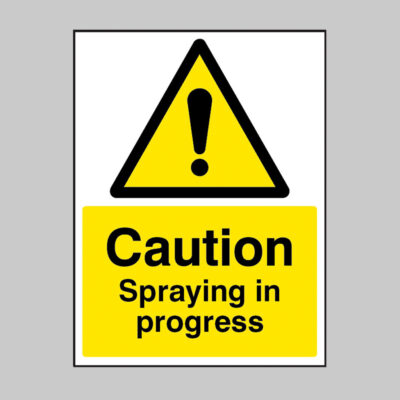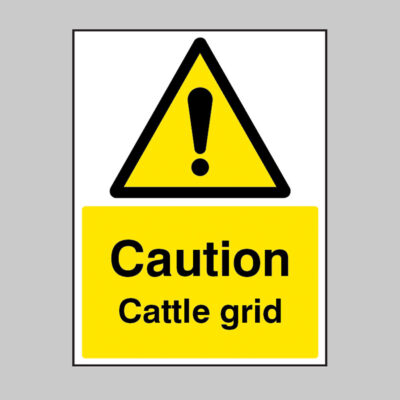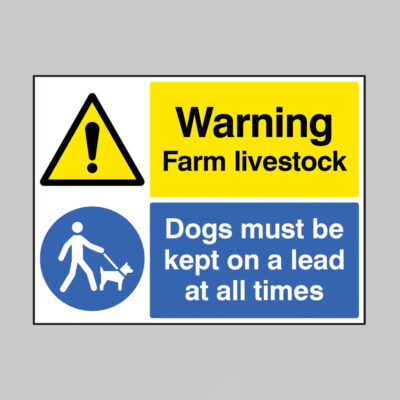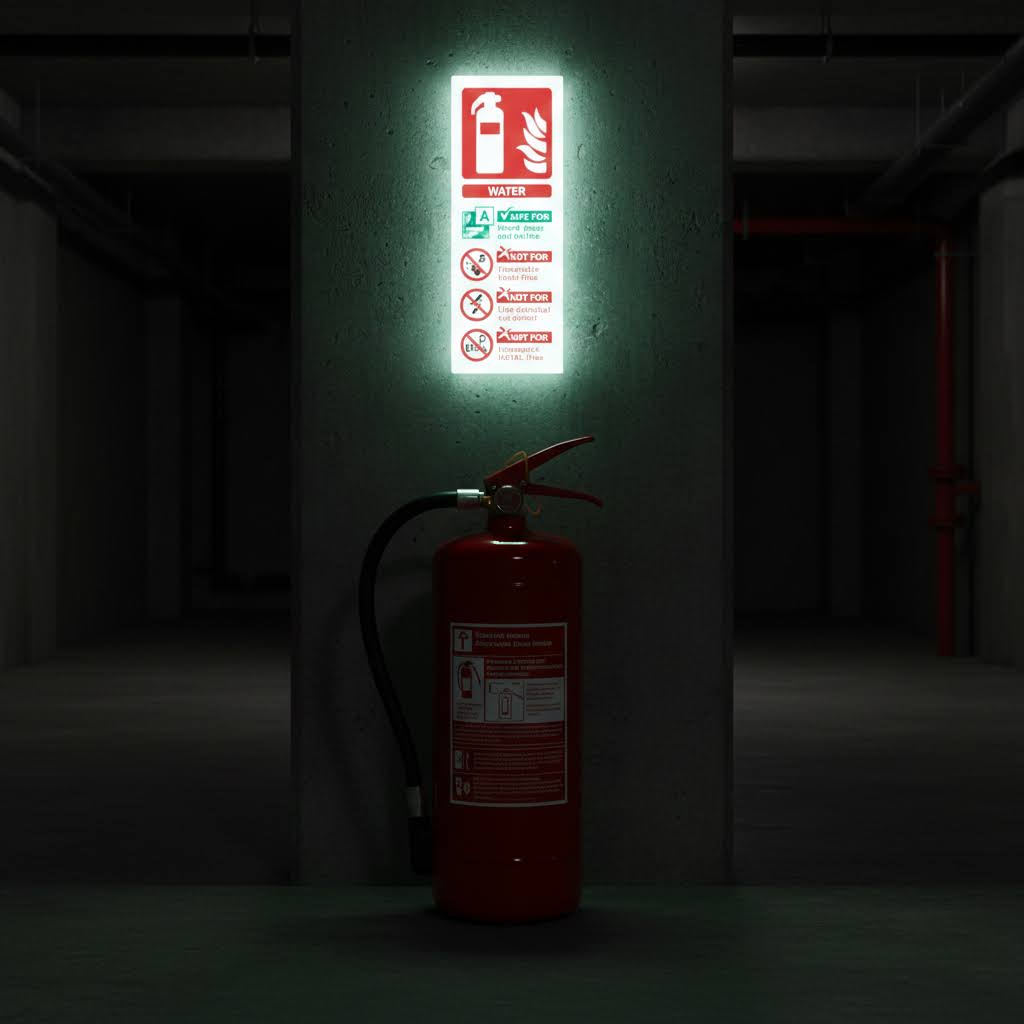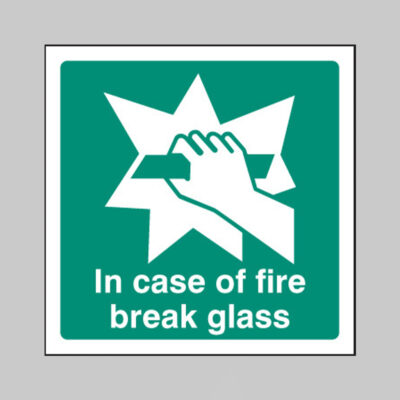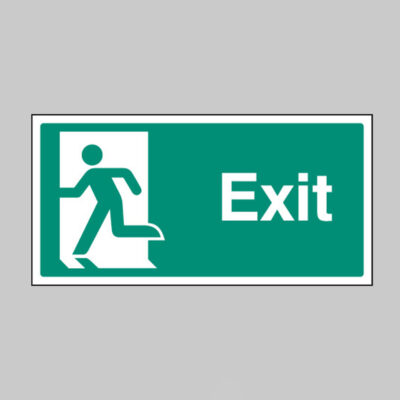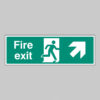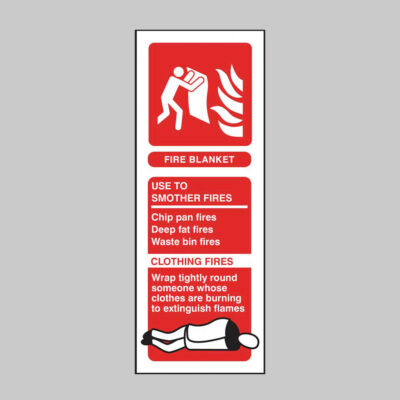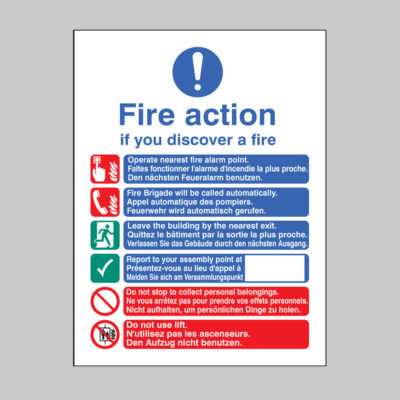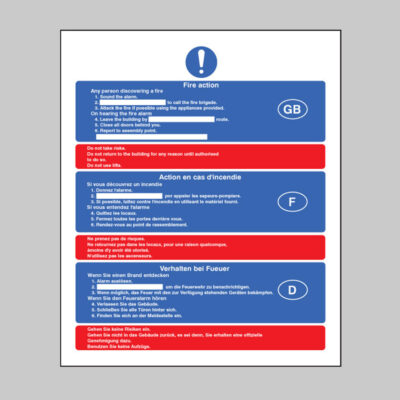
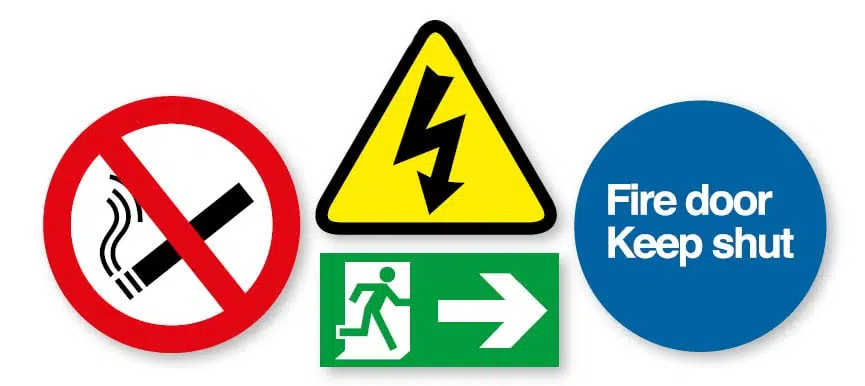
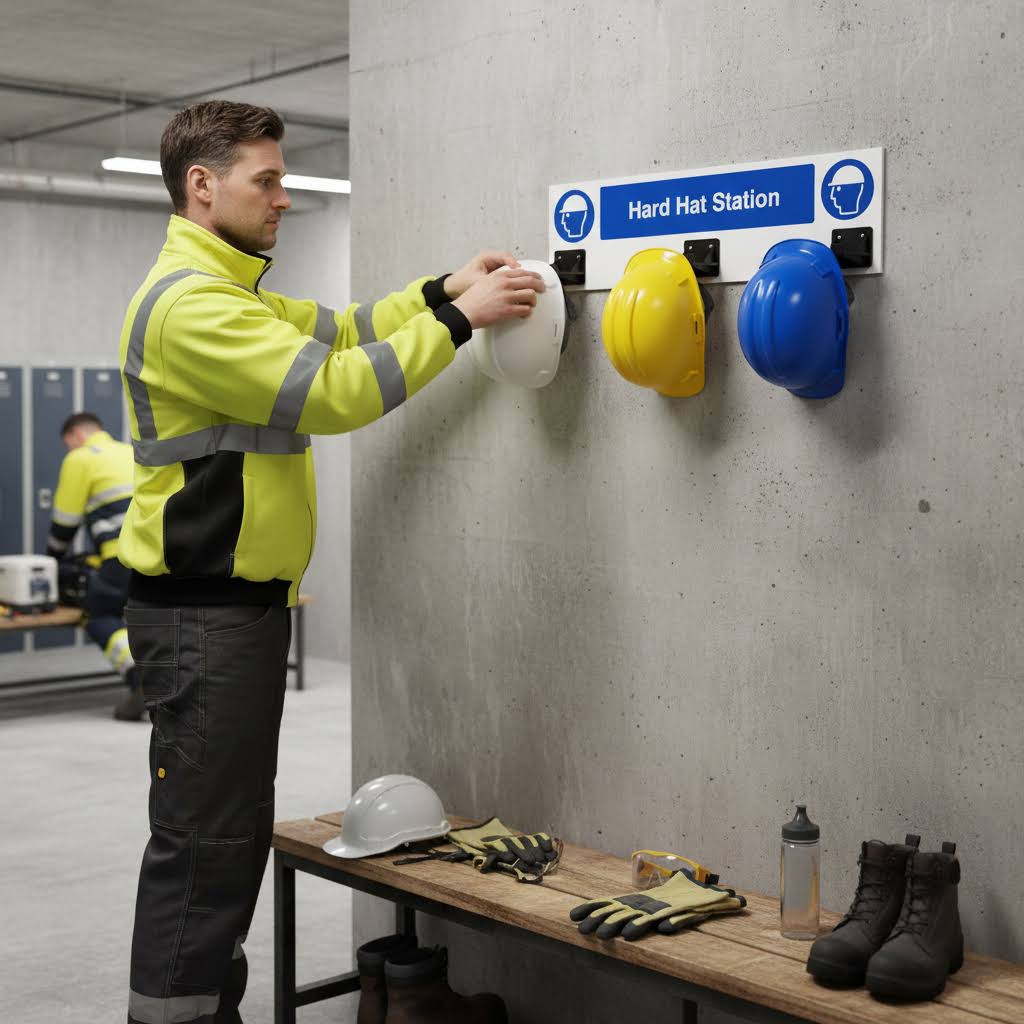
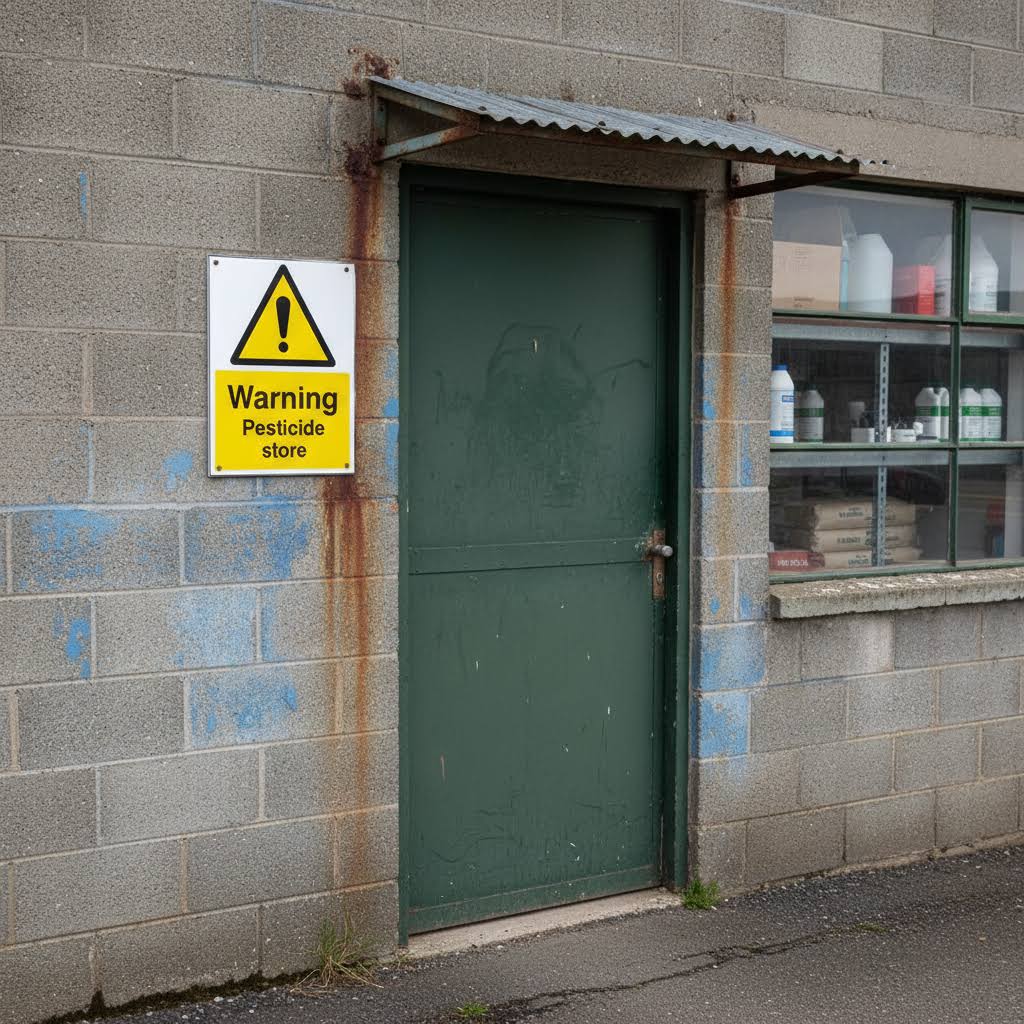
Safety signs are a fundamental part of communicating hazards, instructions, emergency information and safe behaviour in workplaces and public environments. From fire exit signs and warning notices to mandatory PPE signs and prohibition signs, the right signage helps people understand risks and take appropriate action.
But safety signs are about much more than putting a symbol on a wall.
A properly planned signage system should help people recognise hazards, understand what action is required, identify emergency routes and equipment, and navigate workplaces safely. In the UK, the use of workplace safety signs is governed by legislation and supported by established standards that help ensure signs have consistent colours, shapes, symbols and meanings.
In this guide, we explain what safety signs are, why they matter, the different types of safety signs, what their colours and shapes mean, where they are used, how to choose them, and why signage should form part of a wider approach to workplace health and safety.
Quick Navigation
Use the links below to jump directly to the section you’re looking for.
What Is a Safety Sign?
A safety sign is a visual communication device used to convey a safety-related message.
Safety signs can communicate a wide range of information, including:
- A warning about a hazard
- An instruction that a particular action is mandatory
- A prohibition against a specific activity
- The location of an emergency exit or escape route
- The location of first aid equipment
- The location of fire-fighting equipment
- General safety or workplace information
- Site-specific instructions or precautions
Safety signs can use combinations of colours, geometric shapes, symbols, text, arrows and other graphical elements to communicate their meaning.
The aim is to make important safety information immediately understandable, ideally without relying solely on written language.
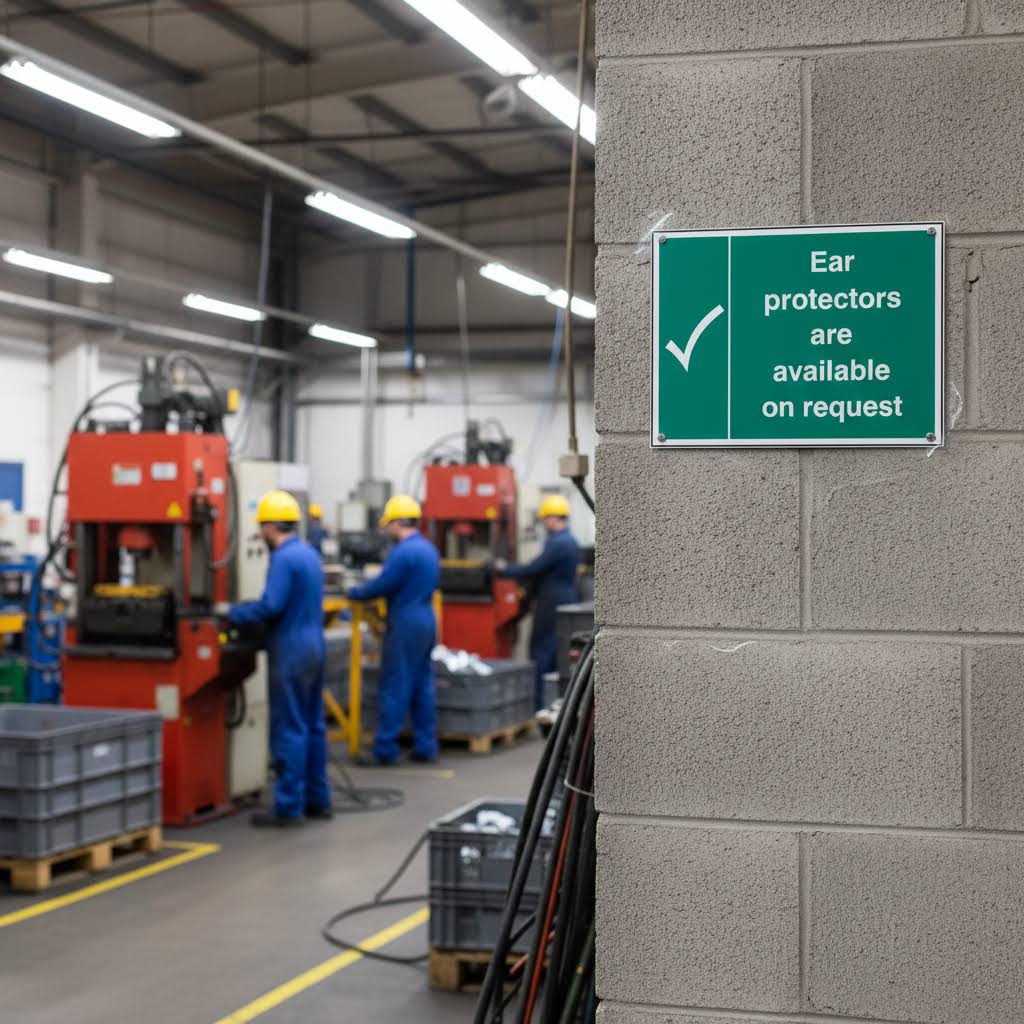
This is particularly important in workplaces where people may be unfamiliar with the site, where multiple languages are spoken, or where conditions such as noise, distance, personal protective equipment or poor visibility could make verbal instructions less effective.
The Health and Safety Executive explains that signboards should be sufficiently large and clear to be easily seen and understood, while signs and signals should be selected and maintained so they remain effective.
Why Are Safety Signs Important?
A safety sign can provide a simple and immediate way of communicating information where people may otherwise be exposed to confusion or unnecessary risk.
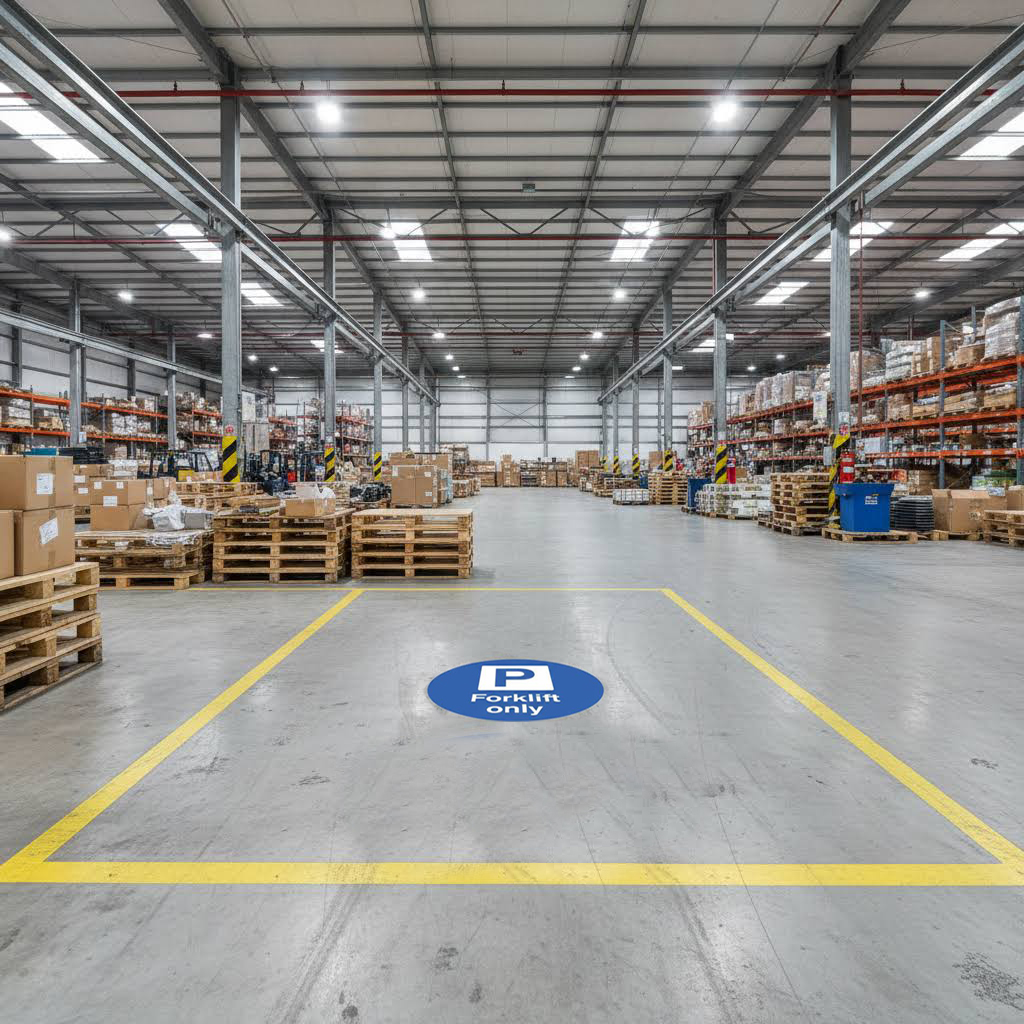
Consider a busy warehouse.
There may be:
- Forklift trucks
- Pedestrian walkways
- Loading bays
- Machinery
- Storage areas
- Chemical products
- Fire-fighting equipment
- Emergency exits
- Restricted-access areas
A person moving through that environment needs to understand what is around them and what actions are expected.
A well-designed signage system can help communicate that information quickly.
For example:
A warning sign can alert people to a hazard.
A mandatory sign can tell people what they must do.
A prohibition sign can tell people what they must not do.
An emergency escape sign can show people where to go during an evacuation.
A fire equipment sign can identify the location of fire-fighting equipment.
In this way, safety signage acts as one part of a wider workplace communication system.
However, there is an important distinction:
A safety sign is a communication and warning measure. It is not a substitute for controlling the underlying hazard.
The HSE’s guidance states that safety signs should be used where necessary to convey the relevant safety message, while standardised safety signs do not replace proper work methods, instructions, training or accident-prevention measures.
That principle is extremely important.
If a machine presents a dangerous mechanical hazard, putting up a warning sign does not make the machine safe. The hazard should first be eliminated or controlled as far as reasonably practicable, with signage used where a residual risk or necessary instruction remains.
The Main Types of Safety Signs
One of the easiest ways to understand safety signage is to look at the different types and what they are intended to communicate.
The principal categories used in workplace safety include:
- Warning signs
- Mandatory signs
- Prohibition signs
- Emergency escape and safe-condition signs
- Fire-fighting equipment signs
- Information and general workplace signs
Each has a different purpose.
1. Warning Signs
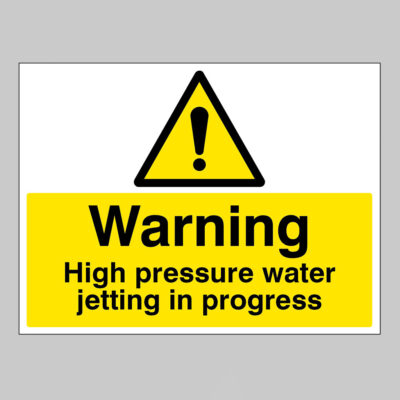
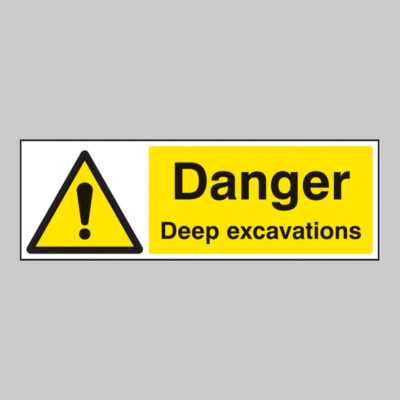
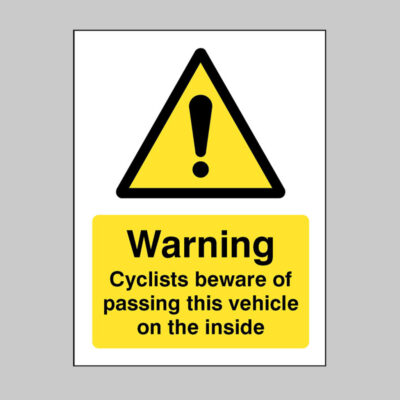
Warning signs alert people to a hazard or potential danger.
They are intended to make people aware that they need to take care, assess the situation and take appropriate precautions.
Typical examples include warnings for:
- Electrical hazards
- Flammable materials
- Hazardous chemicals
- Slippery surfaces
- Moving machinery
- Forklift traffic
- Overhead hazards
- High voltage
- Corrosive substances
- Biological hazards
- Construction hazards
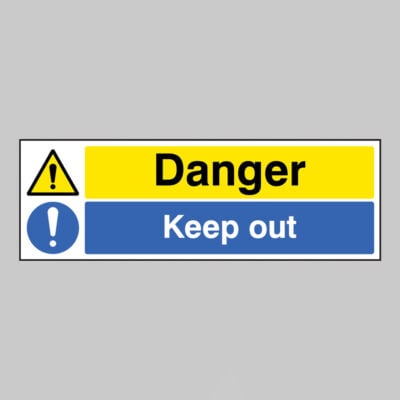
Warning signage commonly uses a yellow/amber background with a black symbol, contained within a triangular design.
The HSE identifies the yellow/amber safety colour as the colour associated with warning signs and the instruction to take care or take precautions.
Where are warning signs used?
Warning signs can be found throughout workplaces, including:
- Factories
- Warehouses
- Workshops
- Construction sites
- Laboratories
- Plant rooms
- Offices
- Schools
- Hospitals
- Retail premises
- Farms
- Distribution centres
You can view all of our warning signs range, for enhanced safety on site.
-
Flammable gas
From £2.09 Ex. VAT Select options This product has multiple variants. The options may be chosen on the product page -
Warning fire risk
From £2.73 Ex. VAT Select options This product has multiple variants. The options may be chosen on the product page -
Caution hot
From £2.27 Ex. VAT Select options This product has multiple variants. The options may be chosen on the product page -
Danger LPG highly flammable
From £2.27 Ex. VAT Select options This product has multiple variants. The options may be chosen on the product page -
Danger explosive material
From £2.09 Ex. VAT Select options This product has multiple variants. The options may be chosen on the product page -
Hazardous waste
From £2.27 Ex. VAT Select options This product has multiple variants. The options may be chosen on the product page -
Warning chemical store
From £2.27 Ex. VAT Select options This product has multiple variants. The options may be chosen on the product page -
Compressed gas symbol
From £2.39 Ex. VAT Select options This product has multiple variants. The options may be chosen on the product page -
Warning caustic
From £2.27 Ex. VAT Select options This product has multiple variants. The options may be chosen on the product page
2. Mandatory Signs
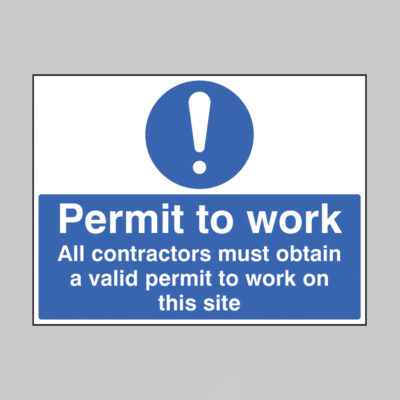
Mandatory signs tell people that a particular action is required.
Unlike a warning sign, which says in effect:
“Be aware of this hazard”
a mandatory sign communicates:
“You must take this action.”
Common examples include:
- Wear eye protection
- Wear hearing protection
- Wear safety footwear
- Wear a safety helmet
- Wear protective gloves
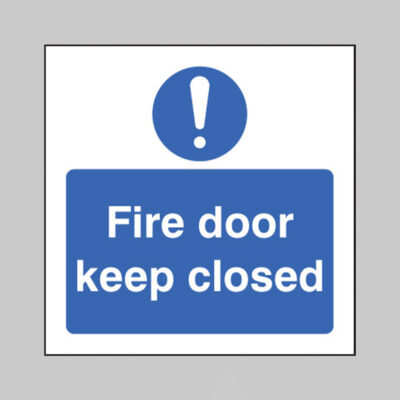
- Keep the door closed
- Wash hands
- Use respiratory protection
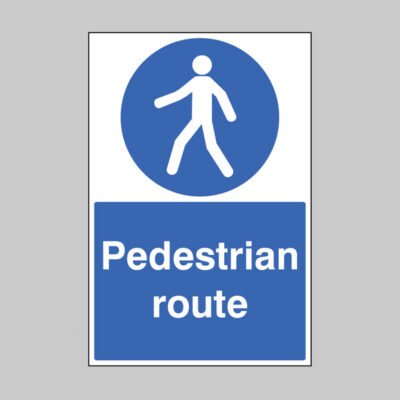
- Follow a designated route
Mandatory signs are commonly blue circular signs with a white symbol.
The HSE identifies blue as the safety colour associated with mandatory signs and a specific behaviour or action.
Mandatory signage is particularly important in workplaces where PPE or a defined behaviour is necessary to reduce risk.
-
Please keep left and hold the handrail
From £2.27 Ex. VAT Select options This product has multiple variants. The options may be chosen on the product page -
Reversing vehicles must be supervised
From £9.29 Ex. VAT Select options This product has multiple variants. The options may be chosen on the product page -
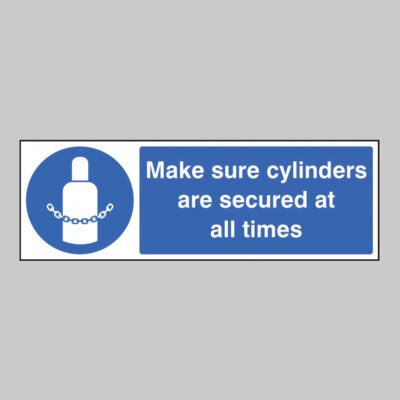
Noise at work regulations
From £2.09 Ex. VAT Select options This product has multiple variants. The options may be chosen on the product page -
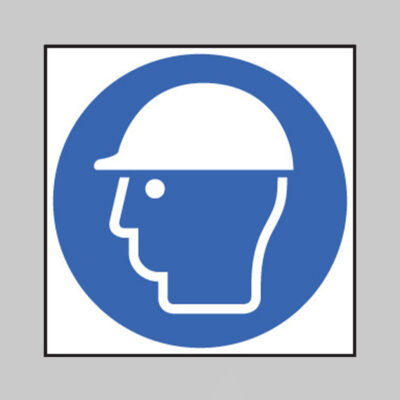
Refer to instructions before operating this machine
From £2.27 Ex. VAT Select options This product has multiple variants. The options may be chosen on the product page -
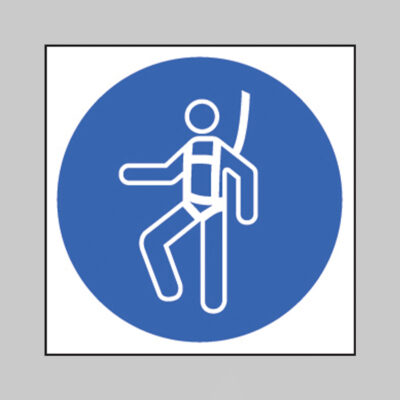
Wear safety harness
From £2.27 Ex. VAT Select options This product has multiple variants. The options may be chosen on the product page -
Use ear protectors
From £2.09 Ex. VAT Select options This product has multiple variants. The options may be chosen on the product page -
Remove keys from forklift truck when not in use
From £2.27 Ex. VAT Select options This product has multiple variants. The options may be chosen on the product page
3. Prohibition Signs
Prohibition signs tell people that a particular activity or behaviour is not permitted.
Examples include:
- No smoking
- No naked flames
- Do not enter
- No access
- No photography
- Do not touch
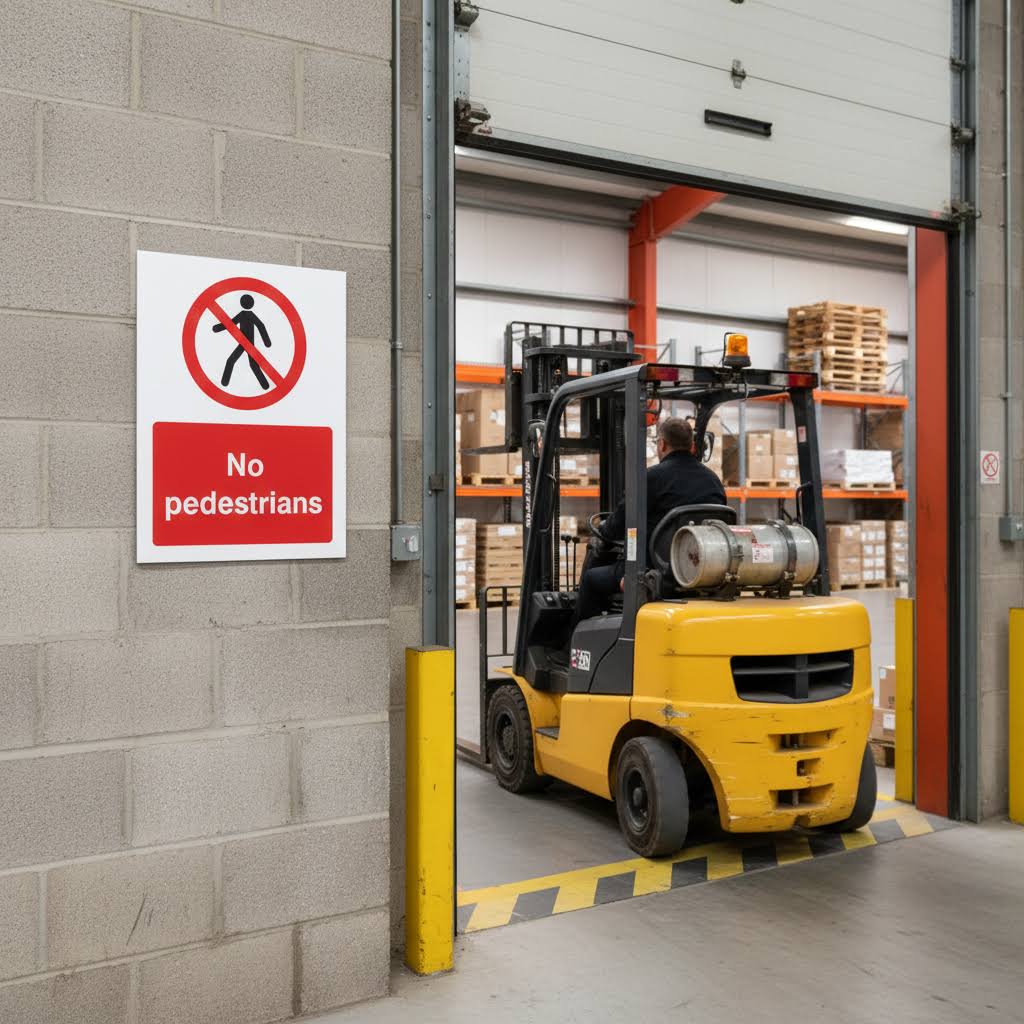
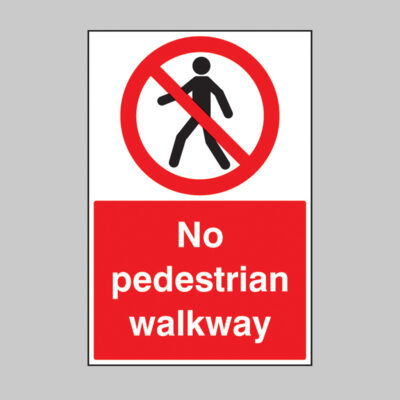
- No pedestrians
- No unauthorised persons
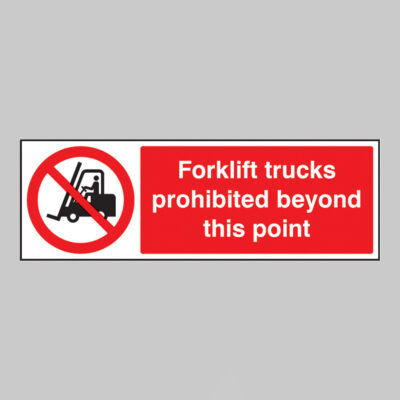
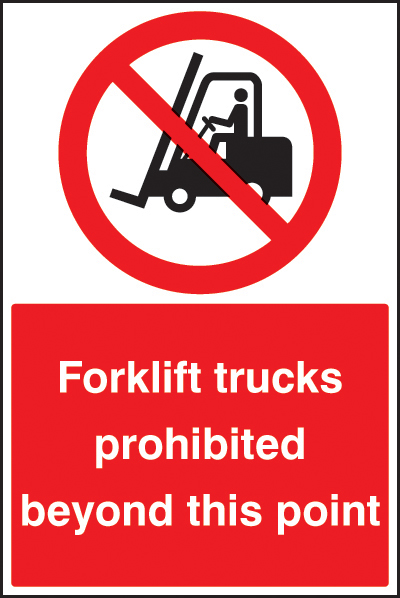
Prohibition signs are generally recognised by their red circular border and diagonal line.
Red is associated with prohibition and danger-related action within the general safety-sign system.
These signs can be especially useful where a particular action could create an immediate or significant risk.
For example, a prohibition sign may be used around:
- Flammable materials
- Electrical installations
- Restricted areas
- Machinery
- Construction zones
- Laboratories
- Storage facilities
-
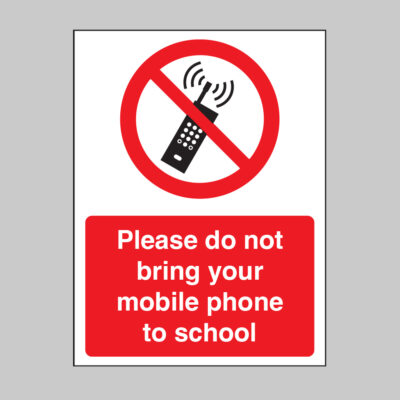
No mobile phones (symbol)
From £2.39 Ex. VAT Select options This product has multiple variants. The options may be chosen on the product page -
No access for unauthorised personnel
From £2.09 Ex. VAT Select options This product has multiple variants. The options may be chosen on the product page -
Employees are forbidden to ride on lift
From £2.27 Ex. VAT Select options This product has multiple variants. The options may be chosen on the product page -
Do not reach into this opening
From £2.27 Ex. VAT Select options This product has multiple variants. The options may be chosen on the product page -
Do not step on this surface
From £2.27 Ex. VAT Select options This product has multiple variants. The options may be chosen on the product page -
No parking on the pavement Pavements are for pedestrians (semi rigid pvc safety sign)
From £10.24 Ex. VAT Select options This product has multiple variants. The options may be chosen on the product page -
No admittance to unauthorised personnel
From £2.09 Ex. VAT Select options This product has multiple variants. The options may be chosen on the product page
4. Emergency Escape & Safe-Condition Signs
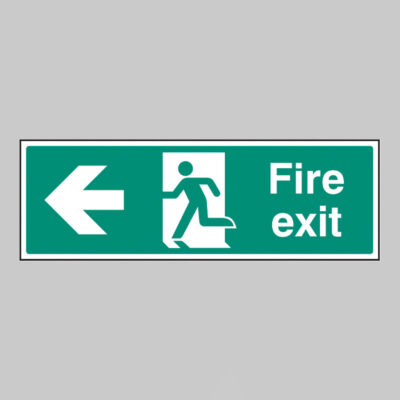
Emergency signs help people identify safe conditions, emergency exits, escape routes and first aid facilities.
These signs are especially important during emergencies when people may need to make decisions quickly.
Examples include:
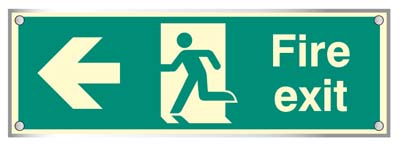
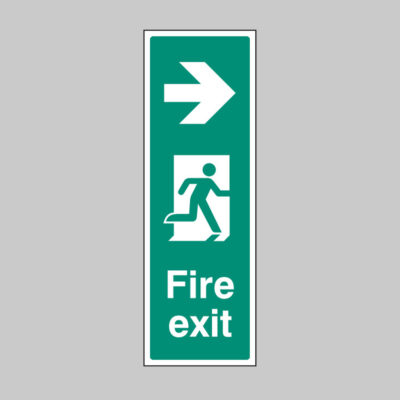
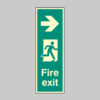
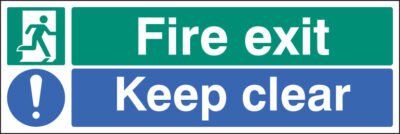
- Emergency exit
- Fire exit
- Escape route
- First aid
- Emergency shower
- Eyewash station
- Assembly point
- Safe condition
- Refuge area
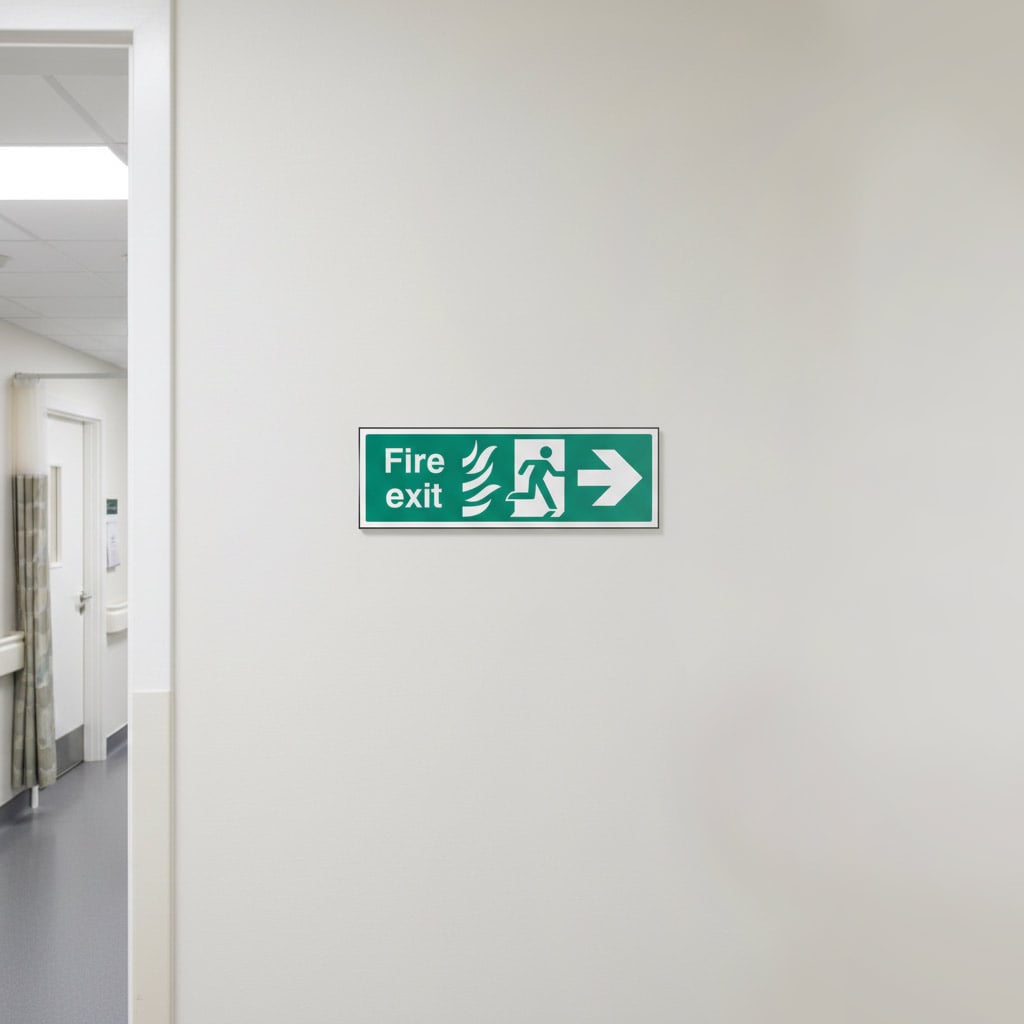
Green is the principal safety colour associated with emergency escape and first-aid information in the general workplace safety-sign system.
These signs often use a green rectangular or square format with a white symbol.
Why are emergency signs so important?
In an emergency, people may not have time to stop and read detailed instructions.
A clear graphical symbol can provide an immediate visual cue.
Escape-route signage therefore needs to be:
- Clearly visible
- Appropriately positioned
- Easy to understand
- Maintained
- Suitable for the environment in which it is used
The HSE guidance specifically states that signboards should be sufficiently large and clear to be easily seen and understood and that safety signs must be properly maintained.
Browse our Emergency Exit Signs range for escape-route and emergency-direction signage.
-
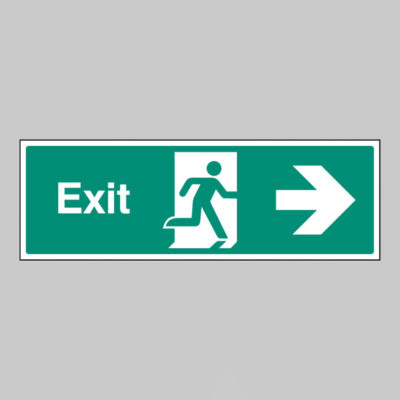
Exit right banner c/w eyelets 1270x610mm
From £2.27 Ex. VAT Select options This product has multiple variants. The options may be chosen on the product page -
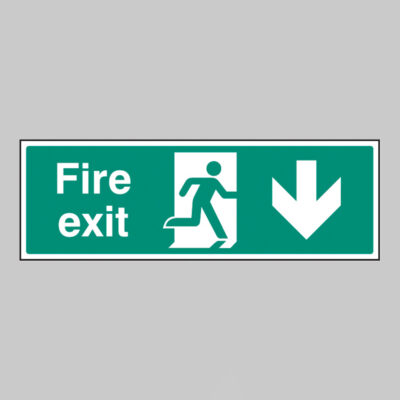
Fire exit arrow down right – HTM
From £2.27 Ex. VAT Select options This product has multiple variants. The options may be chosen on the product page -
Running man symbol right – HTM
From £1.69 Ex. VAT Select options This product has multiple variants. The options may be chosen on the product page -

Exit for emergency use only
From £2.27 Ex. VAT Select options This product has multiple variants. The options may be chosen on the product page -
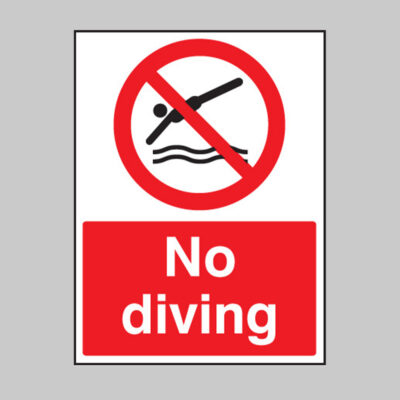
Exit arrow straight on
From £2.27 Ex. VAT Select options This product has multiple variants. The options may be chosen on the product page
5. Fire Safety Signs
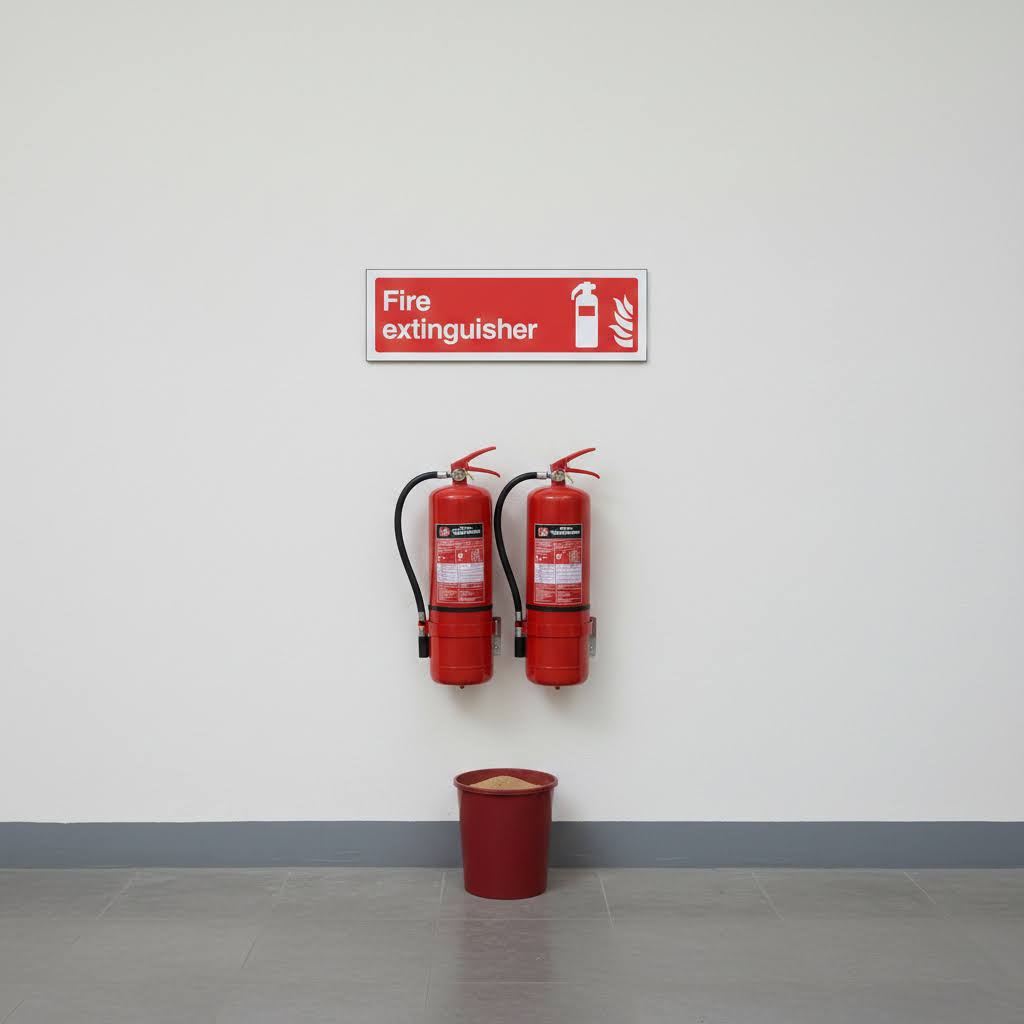
Fire safety signage is used to identify fire-fighting equipment, fire protection equipment, fire-related information and escape facilities.
Examples include signs identifying:
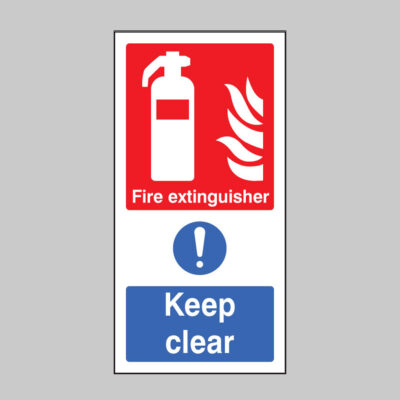
- Fire extinguishers
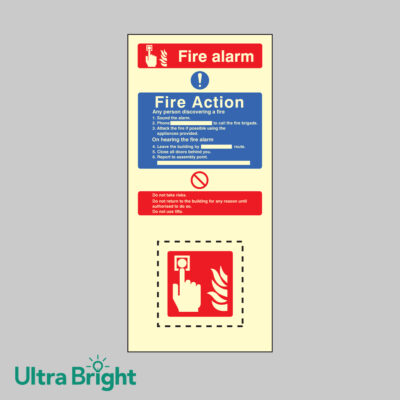
- Fire alarms
- Fire hoses
- Fire blankets
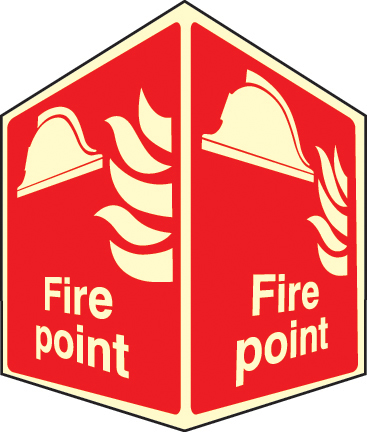
- Fire points
- Fire doors
- Fire equipment
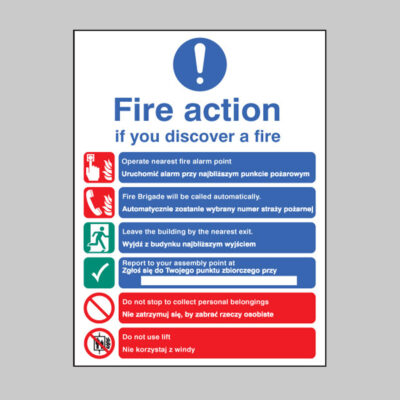
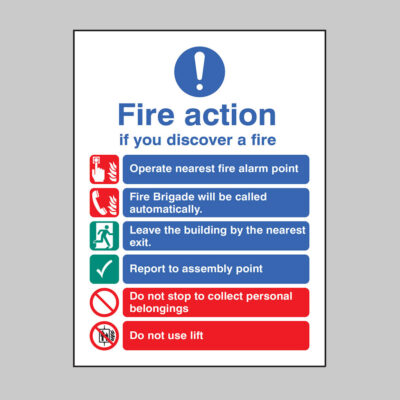
- Fire action information
Fire safety signs have an important role in helping people identify equipment and understand emergency arrangements.
Depending on their purpose, fire-related signage can include both red fire-equipment signs and green emergency escape signs.
That distinction is important.
A sign identifying the location of a fire extinguisher serves a different purpose from a sign directing someone towards an emergency exit.
-
Hose reel identification
From £1.56 Ex. VAT Select options This product has multiple variants. The options may be chosen on the product page -
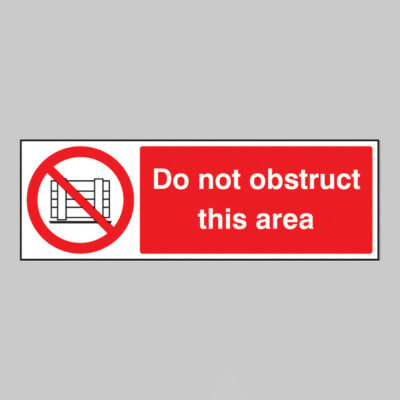
Fire action/call point with lift
From £2.09 Ex. VAT Select options This product has multiple variants. The options may be chosen on the product page -
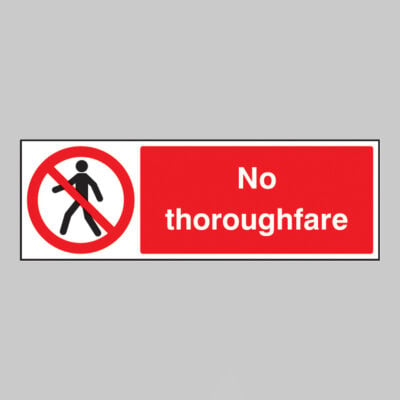
EACIE For Fire and Rescue Service Use Only
From £2.39 Ex. VAT Select options This product has multiple variants. The options may be chosen on the product page -
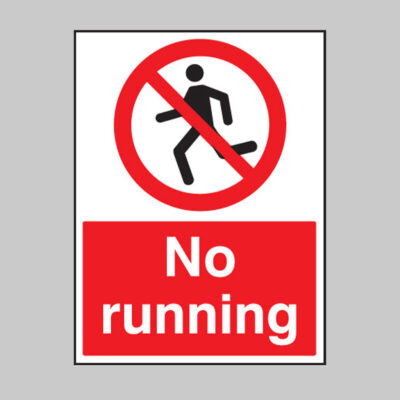
Fire marshals (space for 5 people)
From £2.09 Ex. VAT Select options This product has multiple variants. The options may be chosen on the product page -
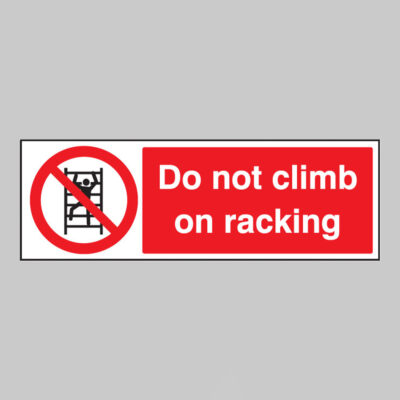
Fire door keep locked
From £1.07 Ex. VAT Select options This product has multiple variants. The options may be chosen on the product page -
Large fire blanket identification
From £2.63 Ex. VAT Select options This product has multiple variants. The options may be chosen on the product page
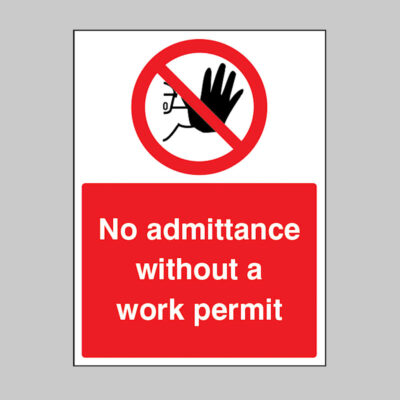
6. Information & General Workplace Signs
Not every useful workplace sign falls neatly into a warning, mandatory or prohibition category.
Businesses often need signs that provide information, directions or general workplace instructions.
Examples include:
- Reception
- Visitors
- Staff only
- Delivery point
- Toilets
- Smoking areas
- Office identification
- Warehouse identification
- Vehicle instructions
- Site information
- General notices
These signs can help people navigate a building, understand site arrangements and locate particular facilities.
-
Notice- authorised persons only
From £2.09 Ex. VAT Select options This product has multiple variants. The options may be chosen on the product page -
We take our responsibilities seriously – go home safely
From £6.37 Ex. VAT Select options This product has multiple variants. The options may be chosen on the product page -
Reception
From £2.27 Ex. VAT Select options This product has multiple variants. The options may be chosen on the product page -
Spot a hazard, Assess the risk, Find the cause, Evaluate solutions, Terminate the danger, etc…
From £10.24 Ex. VAT Select options This product has multiple variants. The options may be chosen on the product page
What Do Safety Sign Colours Mean?
One of the most useful things about a standardised safety-sign system is that colour carries meaning.
A person may not immediately understand the exact wording of a sign, but the colour and shape can provide an immediate indication of the type of message being communicated.
For general workplace safety signs, the HSE provides the following meanings:
| Colour | Typical meaning | Typical application |
|---|---|---|
| Red | Prohibition / danger / emergency action | No smoking, stop, prohibition |
| Yellow / Amber | Warning | Hazard or dangerous condition |
| Blue | Mandatory action | PPE or required behaviour |
| Green | Emergency escape / first aid / safe condition | Exits, escape routes, first aid |
It is important to remember that colour alone is not the complete sign.
The shape, graphical symbol and overall design are also important.
What Do Safety Sign Shapes Mean?
Safety-sign shapes reinforce the message communicated by colour and symbols.
The commonly recognised forms include:
Circular Signs
Circular signs are commonly associated with mandatory actions and prohibitions.
For example:
Blue circle → mandatory action
Red circle with diagonal bar → prohibition
This allows the general nature of the instruction to be recognised quickly.
-
Masks symbol
From £2.39 Ex. VAT Select options This product has multiple variants. The options may be chosen on the product page -
Safety harness symbol
From £2.39 Ex. VAT Select options This product has multiple variants. The options may be chosen on the product page -
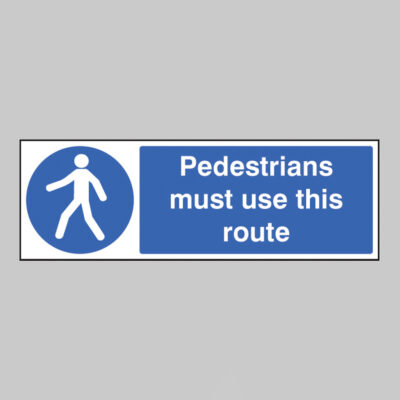
Pedestrians must use this route
From £2.27 Ex. VAT Select options This product has multiple variants. The options may be chosen on the product page -
Sound horn symbol
From £2.39 Ex. VAT Select options This product has multiple variants. The options may be chosen on the product page -
HiVis symbol
From £2.39 Ex. VAT Select options This product has multiple variants. The options may be chosen on the product page
Triangular Signs
Triangular signs are generally used for warnings.
A triangular shape immediately signals that the viewer needs to take care and consider a potential hazard.
-
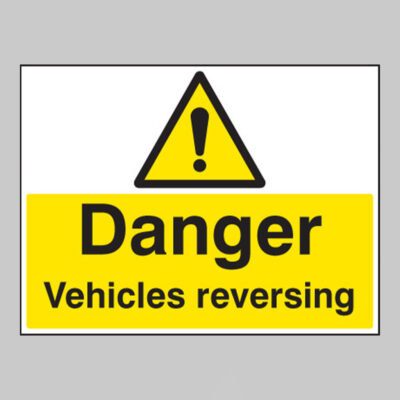
Danger vehicles reversing
From £9.29 Ex. VAT Select options This product has multiple variants. The options may be chosen on the product page -
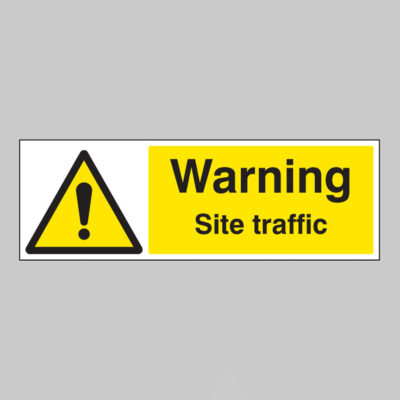
Warning site traffic
From £2.73 Ex. VAT Select options This product has multiple variants. The options may be chosen on the product page -
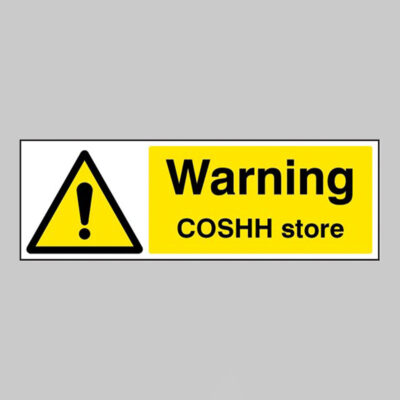
Warning COSHH store
From £2.27 Ex. VAT Select options This product has multiple variants. The options may be chosen on the product page -
EX symbol
From £2.39 Ex. VAT Select options This product has multiple variants. The options may be chosen on the product page -
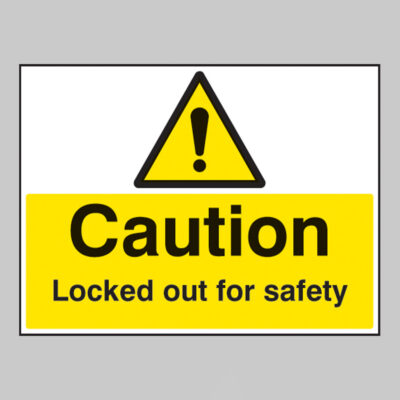
Caution locked out for safety
From £0.97 Ex. VAT Select options This product has multiple variants. The options may be chosen on the product page
Square or Rectangular Signs
Square or rectangular formats are commonly used for safe-condition, emergency and information signage, depending on the sign type.
The precise meaning depends on the combination of colour, shape and graphical symbol.
The design principles underpinning standardised safety signs are linked to the ISO 3864 series, while ISO 7010 specifies registered safety signs for accident prevention, fire protection, health hazard information and emergency evacuation.
-
Notice- authorised persons only
From £2.09 Ex. VAT Select options This product has multiple variants. The options may be chosen on the product page -
Assembly point
From £3.43 Ex. VAT Select options This product has multiple variants. The options may be chosen on the product page -
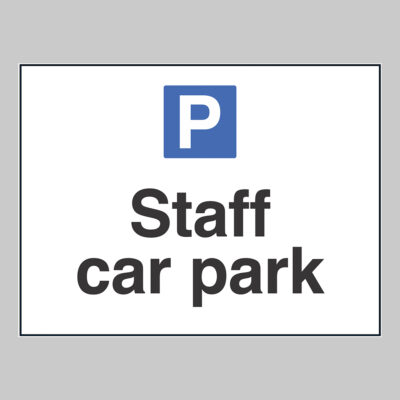
Staff car park
From £10.24 Ex. VAT Select options This product has multiple variants. The options may be chosen on the product page -
Entrance
From £2.73 Ex. VAT Select options This product has multiple variants. The options may be chosen on the product page
Understanding Safety Sign Symbols
Modern safety signage is designed to communicate information visually.
This is particularly important because workplaces can contain people with different languages, levels of experience and familiarity with the site.
Standardised graphical symbols aim to reduce ambiguity.
BS EN ISO 7010 is specifically concerned with registered safety signs and standardising graphical symbols used for areas including accident prevention, fire protection, health hazard information and emergency evacuation. BSI explains that the system is intended to reduce confusion and provide consistent meanings for safety information.
This standardisation is one of the reasons you will see familiar pictograms repeated across workplaces and public areas.
A person’s recognition of a symbol can therefore be reinforced by seeing the same visual language in different environments.
Why Standardisation Matters
Imagine if every business designed its own safety signs.
One factory might use a red triangle to mean “no access”.
Another might use a yellow square.
A third might use a completely different symbol.
The result would be confusion.
Standardisation helps prevent that.
BSI explains that ISO 7010 provides consistent safety signs and graphical representations, with the intention of reducing confusion and the likelihood of accidents. The standard specifies safety signs for accident prevention, fire protection, health hazard information and emergency evacuation, with shapes and colours following the relevant ISO 3864 design principles.
This doesn’t mean every conceivable sign in every industry is governed by one standard.
Certain specialist sectors, including areas such as road, rail, maritime and aviation signalling, can have different requirements. BSI specifically notes these limitations in the scope of ISO 7010.
For ordinary workplace safety communication, however, standardised signs provide an important and recognisable visual language.
What UK Regulations Say About Safety Signs
In the UK, workplace safety signs and signals are addressed by the Health and Safety (Safety Signs and Signals) Regulations 1996.
The HSE’s guidance explains employers’ duties relating to selecting, using and maintaining safety signs and signals. It also explains the meanings associated with the principal safety colours and the use of different sign types.
The regulations are particularly relevant where a risk assessment identifies a need to communicate a safety message through a safety sign or signal.
However, the legislation should not be interpreted as meaning:
“Every hazard needs a sign.”
The purpose of signage is to communicate relevant information where it is necessary.
The HSE guidance makes an important point: where a risk remains after other measures have been considered, safety signs can form part of the overall control strategy. Signs are not intended to replace good safety management, suitable work methods or training.
Are Safety Signs a Legal Requirement?
Sometimes, yes.
The need for signage depends on the circumstances, the workplace, the hazard and the relevant legal requirements.
Some situations clearly require safety information to be displayed, while others may call for signs because the risk assessment identifies a need for them.
The important principle is that signage should be appropriate to the risk and effective in communicating the relevant message.
That means businesses should not simply buy signs because a checklist says “put up a sign”.
Instead, the correct question is:
What risk or safety information needs to be communicated here, and what is the most effective way of doing it?
The HSE guidance states that the signs specified by the regulations should be used when it is necessary to convey the relevant message or information.
Where Are Safety Signs Commonly Used?
Safety signage is used across almost every sector.
Factories & Manufacturing
Manufacturing environments can contain machinery, chemicals, vehicle movements, electrical equipment, noise and other hazards.
Common signage includes:
- Machinery warnings
- PPE requirements
- Restricted access signs
- Electrical warning signs
- Hazardous substance signs
- Emergency exit signage
- Fire equipment signs
Warehouses & Distribution Centres
Warehouses often combine pedestrian movement, vehicle traffic, racking, loading bays and storage operations.
Typical signage includes:
- Forklift warnings
- Pedestrian route signs
- Loading bay signs
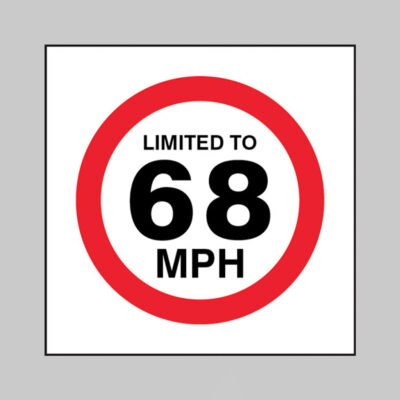
- Speed restrictions
- PPE requirements
- Rack identification
- Emergency signage
- Vehicle marking
- Warehouse labels
Explore our Warehouse Labelling range for practical workplace identification and storage signage.
-
Safety first – inspect pallet trucks before use (self adhesive vinyl safety label)
From £2.09 Ex. VAT Select options This product has multiple variants. The options may be chosen on the product page
Construction Sites
Construction sites change continually and may contain temporary hazards, restricted areas, plant and machinery, excavation work and moving vehicles.
Signage may be used to identify:
- Restricted access
- PPE requirements
- Hazardous areas
- Vehicle movements
- Site instructions
- Emergency information
- Fire equipment
- Site facilities
-
Danger quarry workings
From £2.73 Ex. VAT Select options This product has multiple variants. The options may be chosen on the product page
Offices & Commercial Buildings
Even relatively low-risk workplaces can require safety signage.
Examples include:
- Fire exits
- First aid
- Fire extinguishers
- Assembly points
- Wet floor warnings
- Restricted areas
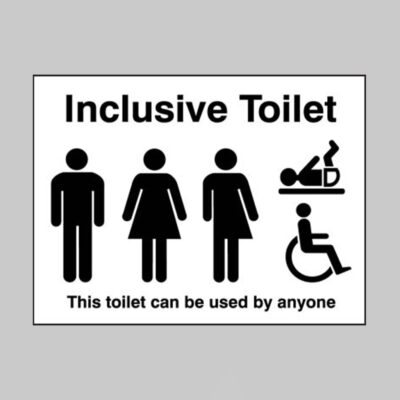
- Accessible facilities
- Electrical warnings
-
EasiFIX projecting sign 150x200mm face size – Ladies symbol
From £1.56 Ex. VAT Select options This product has multiple variants. The options may be chosen on the product page -
Please leave lavatory clean for the next user
From £2.09 Ex. VAT Select options This product has multiple variants. The options may be chosen on the product page -
Private
From £2.27 Ex. VAT Select options This product has multiple variants. The options may be chosen on the product page -
Reception arrow left
From £2.27 Ex. VAT Select options This product has multiple variants. The options may be chosen on the product page -
Warning abusive language or threatening behaviour will not be tolerated
From £3.43 Ex. VAT Select options This product has multiple variants. The options may be chosen on the product page -
Toilet (with male symbol)
From £2.27 Ex. VAT Select options This product has multiple variants. The options may be chosen on the product page
Schools & Educational Facilities
Schools and colleges can use signage to communicate:
- Fire and evacuation information
- First aid
- Hazard warnings
- Restricted areas
- Visitor instructions
- Mandatory hygiene measures
- Site directions
-
No mobile phone zone Greet your child with a smile
From £10.24 Ex. VAT Select options This product has multiple variants. The options may be chosen on the product page -
Children must be supervised at all times
From £2.09 Ex. VAT Select options This product has multiple variants. The options may be chosen on the product page -
Staff room
From £2.27 Ex. VAT Select options This product has multiple variants. The options may be chosen on the product page -
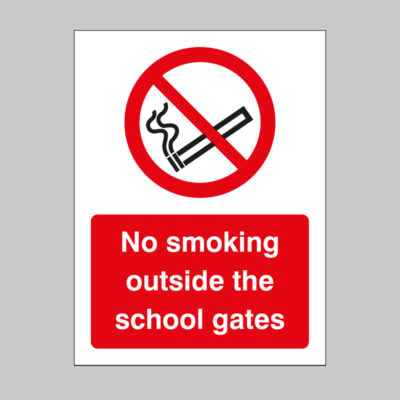
No smoking outside the school gates
From £2.09 Ex. VAT Select options This product has multiple variants. The options may be chosen on the product page -
Visitors must register at the main office
From £2.09 Ex. VAT Select options This product has multiple variants. The options may be chosen on the product page
Healthcare & Care Environments
Healthcare settings often require clear signage for:
- Emergency routes
- Fire equipment
- Hygiene
- Restricted access
- Hazardous areas
- First aid
- Safe conditions
Farms & Agricultural Sites
Agricultural workplaces can involve machinery, livestock, chemicals, vehicles, fuel and other hazards.
Signage can help communicate:
- Machinery hazards
- Chemical hazards
- Restricted access
- PPE requirements
- Vehicle movements
- Biosecurity instructions
- General warnings
-
No unauthorised persons, Warning livestock can be dangerous, danger farm machinery in operation, This is not a playground
From £19.03 Ex. VAT Select options This product has multiple variants. The options may be chosen on the product page -
Disinfection point Disinfect boots and equipment on entry and departure
From £19.03 Ex. VAT Select options This product has multiple variants. The options may be chosen on the product page -
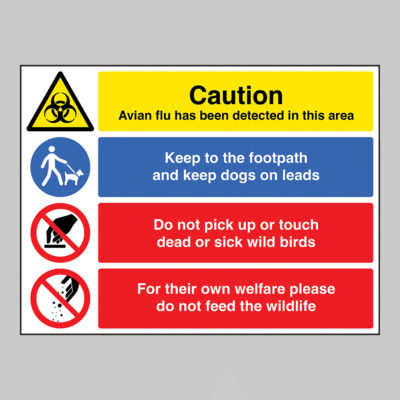
Caution Avian flu has been detected in this area Multi-message clean and disinfect, use hand sanitiser
From £19.03 Ex. VAT Select options This product has multiple variants. The options may be chosen on the product page

Safety Signs in Industrial Environments
Industrial workplaces often require a combination of different sign types.
For example, a manufacturing facility might use:
Warning signage around dangerous machinery.
Mandatory signage requiring safety footwear and eye protection.
Prohibition signage restricting access to certain areas.
Fire signage identifying extinguishers and fire points.
Emergency signage identifying escape routes.
Information signage helping people navigate the building.
This demonstrates why safety signage should be viewed as a system rather than a collection of individual signs.
The individual signs need to make sense together.
How to Choose the Right Safety Sign
Choosing a safety sign should start with the message you need to communicate.
Ask yourself:
What is the hazard or instruction?
Do you need to:
- Warn people?
- Require an action?
- Prohibit an action?
- Identify an emergency route?
- Identify safety equipment?
- Provide general information?
Once the purpose is clear, select the appropriate category.
What will the sign communicate?
Where a standardised safety symbol exists and is appropriate, using a recognised symbol can make the message easier to understand.
Where will the sign be installed?
Consider:
- Indoor or outdoor use
- Distance from the viewer
- Lighting conditions
- Background environment
- Viewing angle
- Potential obstructions
- Exposure to weather
- Cleaning requirements
- Chemical exposure
- Physical wear
Choosing the Right Sign Size
Size matters.
A safety sign that is technically correct but too small to see clearly from the required distance isn’t performing its intended function effectively.
The HSE guidance states that workplace signboards should be sufficiently large and clear to be easily seen and understood.
When choosing a size, consider:
How far away will people be?
Will people approach the sign directly?
Will it be seen from moving vehicles?
Will it be viewed in a busy warehouse?
Will the sign be partially obscured by equipment or storage?
There isn’t a single universal size that works for every situation.
The sign needs to be appropriate to its environment and the distance from which it needs to communicate its message.
Choosing the Right Material
Safety signage can be manufactured from a range of materials.
The appropriate material depends on where the sign will be used.
Plastic Signs
Often suitable for:
- Offices
- Workshops
- Warehouses
- General workplace areas
Aluminium Signs
Useful where a more durable metal substrate is desirable, particularly in demanding environments.
Self-Adhesive Signs
Useful where signs need to be applied directly to:
- Doors
- Walls
- Equipment
- Smooth surfaces
- Workstations
Photoluminescent Signs
Photoluminescent materials can provide visibility after exposure to light and can be particularly useful for emergency and escape-route signage.
The HSE guidance notes that safety signs should retain their intrinsic features under power failure, including through emergency lighting or phosphorescent material where appropriate.
Outdoor Signage
Outdoor signs need to take into account:
- Weather
- UV exposure
- Rain
- Temperature
- Dirt
- Physical impact
- Installation method
Choosing the right substrate and fixing method can significantly affect service life.
What Is Photoluminescent Safety Signage?
Photoluminescent signage is designed to absorb light and subsequently emit visible light in low-light conditions.
This can be useful where signage needs to remain identifiable during reduced lighting conditions or power interruption.
Photoluminescent materials are particularly associated with:
- Emergency exits
- Escape routes
- Fire equipment
- Stairways
- Emergency direction signs
The HSE recognises phosphorescent material as one method by which signs can maintain their intrinsic features during power failure, where appropriate.
As with all signage, the correct type, position and application should be determined based on the actual environment and safety requirements.
-
Arrow ahead intermediate marker
From £3.03 Ex. VAT Select options This product has multiple variants. The options may be chosen on the product page -
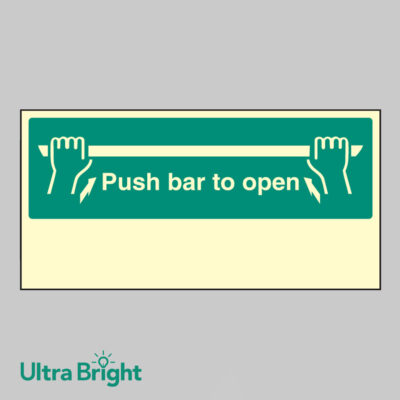
Push bar to open
From £2.27 Ex. VAT Select options This product has multiple variants. The options may be chosen on the product page -
Fire exit arrow left
From £2.27 Ex. VAT Select options This product has multiple variants. The options may be chosen on the product page -
Final exit left symbol
From £1.69 Ex. VAT Select options This product has multiple variants. The options may be chosen on the product page -
General fire action with lift adapt-a-sign 215x310mm
From £2.09 Ex. VAT Select options This product has multiple variants. The options may be chosen on the product page
Why Sign Placement Matters
A perfectly designed safety sign is of limited value if nobody can see it.
Signs therefore need to be positioned where they can communicate effectively.
Consider whether the sign is:
- Clearly visible
- At an appropriate height
- Facing the direction of approach
- Obstructed by doors or equipment
- Washed out by lighting
- Hidden behind stored goods
- Too far away
- Confusingly positioned alongside competing information
The HSE guidance emphasises visibility and clarity and also states that safety signs should be properly maintained.
For larger workplaces, signage placement should be considered as part of the wider site layout rather than individually.
Safety Signs Need to Be Maintained
Installing signage is not necessarily the end of the process.
Signs may become:
- Dirty
- Faded
- Scratched
- Damaged
- Obscured
- Detached
- Worn
- Outdated
A sign that is difficult to read may no longer perform its intended function.
The HSE specifically states that safety signs must be properly maintained, which can range from routine cleaning of signboards to regular checks of illuminated signs and testing of acoustic signals.
Businesses should therefore include safety signage within relevant workplace inspections and maintenance arrangements.
What Is ISO 7010?
ISO 7010 is an international standard covering registered safety signs.
The standard addresses safety signs used for areas including:
- Accident prevention
- Fire protection
- Health hazard information
- Emergency evacuation
BSI explains that ISO 7010 standardises graphical representations of safety signs and that the shape and colour of the signs follow the principles of ISO 3864.
The purpose of such standardisation is to create a consistent visual language.
This can be especially valuable in modern workplaces where employees, contractors, visitors and customers may encounter safety signs in different organisations and locations.
BSI also notes that ISO 7010 does not cover every type of transport signalling, such as road, rail, maritime and aviation signalling, where different rules may apply.
BS EN ISO 7010 and UK Safety Signage
You will often see UK signage described using terminology such as:
BS EN ISO 7010
This reflects the adoption of the international standard into the European and British standards framework.
BSI currently lists BS EN ISO 7010:2020+A1:2020 and later amendments within its standards information, while the ISO 7010 family continues to be updated.
This is worth remembering when purchasing signage.
A supplier should be able to provide clear information about the design and intended application of its signs rather than simply using a generic symbol and calling it “compliant”.
For specialist or safety-critical applications, businesses should always verify the applicable legislation, standards and professional guidance for their particular environment.
Safety Signs and Risk Assessments
Safety signage should form part of the wider risk-management process.
A sensible approach is:
1. Identify the hazard
What could cause harm?
2. Assess the risk
Who could be harmed, and how?
3. Control the risk
Can the hazard be eliminated or reduced?
4. Identify residual risks
What risks remain?
5. Determine what information people need
Is a safety sign, signal, notice or other communication method required?
6. Select and position the appropriate signage
Choose a sign that communicates the required message effectively.
This is much more effective than treating signage as an isolated purchasing exercise.
A workplace should never rely on a warning sign as the sole control where the underlying hazard could reasonably be eliminated or controlled.
The HSE guidance specifically emphasises that standardised safety signs do not replace proper working methods, instructions, training or accident prevention measures.
Safety Signs Are Not a Substitute for Training
It is easy to assume that putting up a sign solves a safety problem.
It doesn’t.
A sign can communicate a requirement, reinforce a behaviour or draw attention to a hazard, but workers may still need:
- Training
- Competence
- Written procedures
- Supervision
- PPE
- Engineering controls
- Safe systems of work
- Emergency procedures
For example, a “Wear Eye Protection” sign can communicate the requirement, but it does not replace the provision of suitable eye protection or the training necessary to use it correctly.
Similarly, a “Danger – High Voltage” warning does not make an electrical installation safe.
Signs should therefore be considered one part of a broader workplace safety strategy.
Safety Signage for Different Industries
Different industries have different signage requirements.
Manufacturing
Focus may include machinery, PPE, chemicals, electrical hazards, emergency routes and restricted areas.
Warehousing
Common requirements include vehicle movement, loading areas, pedestrian routes, racking, PPE and emergency signage.
Construction
Temporary conditions, plant movement, restricted access and site-specific hazards may require extensive signage.
Hospitality
Customers and employees may need information covering fire exits, wet floors, kitchens, restricted areas and hygiene.
Education
Schools may require fire, first aid, restricted access, visitor and general safety signage.
Healthcare
Clear identification of emergency routes, hygiene requirements, hazards and restricted areas can be especially important.
Agriculture
Machinery, chemicals, livestock, vehicles and restricted areas can all create signage requirements.
This is one reason a comprehensive signage catalogue can be useful: the right sign depends on the environment and the risk being communicated.
Safety Signage for Visitors and Contractors
Safety signs are not only for permanent employees.
Workplaces regularly have:
- Visitors
- Contractors
- Delivery drivers
- Engineers
- Maintenance personnel
- Temporary workers
- Customers
These people may not know the site layout or understand local procedures.
Clear signage can therefore help communicate basic safety information without requiring every instruction to be delivered verbally.
Examples include:
Visitors must report to reception
PPE must be worn beyond this point
Authorised personnel only
Pedestrian route
Delivery entrance
Emergency assembly point
This is particularly important in complex workplaces and industrial environments.
Multilingual Safety Signage
Some workplaces have employees, contractors or visitors who speak different languages.
Where appropriate, visual symbols can reduce reliance on written language.
This is one of the reasons international graphical-symbol standards are valuable.
Where additional text is necessary, businesses may also consider multilingual signage to make important information easier to understand.
However, the correct approach depends on the specific audience and risk.
Visual symbols should not be treated as a universal replacement for training or communication.
-
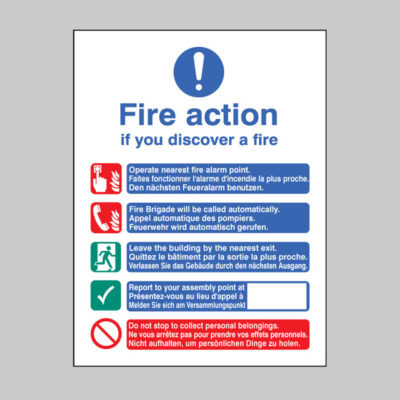
Multi-lingual fire action (English, French & German)
From £3.43 Ex. VAT Select options This product has multiple variants. The options may be chosen on the product page -
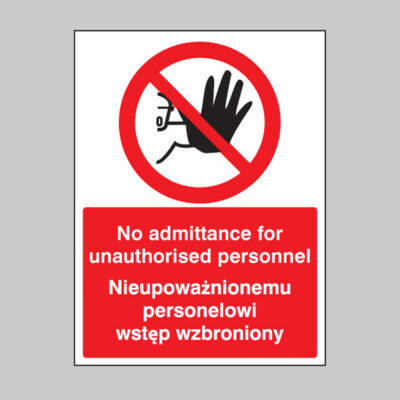
No admittance to unauthorised personnel (english/polish)
From £2.09 Ex. VAT Select options This product has multiple variants. The options may be chosen on the product page -
Multi-lingual fire action manual lift (English, French & German)
From £2.09 Ex. VAT Select options This product has multiple variants. The options may be chosen on the product page -
Multi-lingual fire action manual no lift (English, French & German)
From £2.09 Ex. VAT Select options This product has multiple variants. The options may be chosen on the product page -
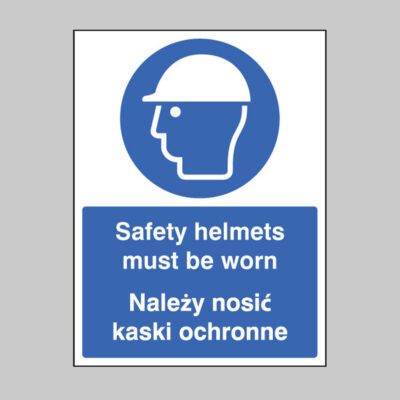
Safety helmets must be worn (english/polish)
From £2.09 Ex. VAT Select options This product has multiple variants. The options may be chosen on the product page -
Multi-lingual fire action auto with lift (English, French & German)
From £2.09 Ex. VAT Select options This product has multiple variants. The options may be chosen on the product page -
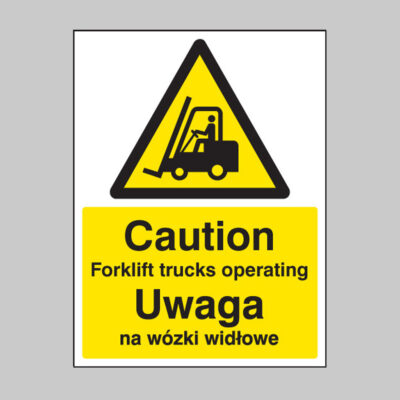
Caution forklift trucks operating (english/polish)
From £6.37 Ex. VAT Select options This product has multiple variants. The options may be chosen on the product page -
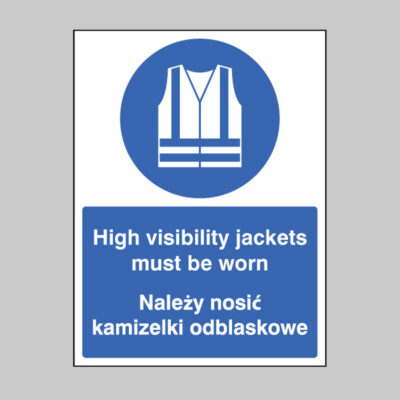
High visibility jackets must be worn (english/polish)
From £2.09 Ex. VAT Select options This product has multiple variants. The options may be chosen on the product page -
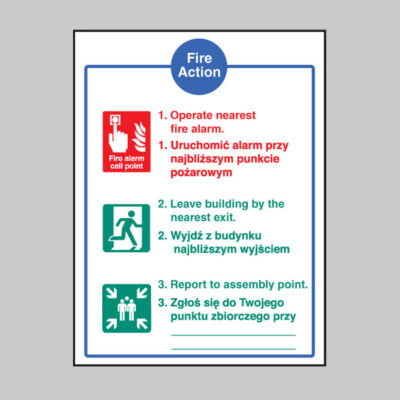
Fire action auto dial with lift (English & Polish)
From £2.09 Ex. VAT Select options This product has multiple variants. The options may be chosen on the product page

Vehicle and Site Safety Signage
Safety signage extends beyond walls and doors.
Vehicles, loading areas, yards and external sites can also require safety-related signs and markings.
Examples include:
- Protruding load signs
- Vehicle marking
- Site traffic signs
- Speed restrictions
- Pedestrian routes
- Loading and unloading information
- Restricted access
- Parking instructions
These signs can help communicate expectations around vehicle movement and site operations.
Our Vehicle Marking and Road Signage ranges provide options for workplaces, vehicle operators, yards and industrial environments.
-
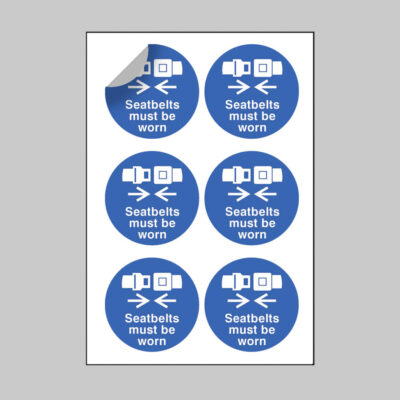
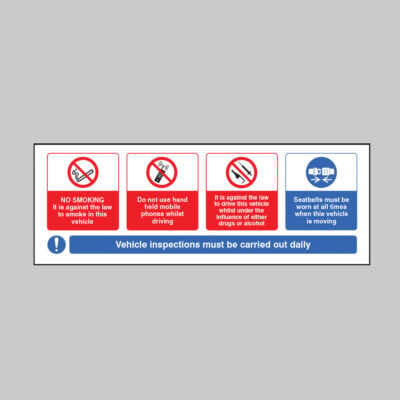
Seatbelts must be worn at all times multi-message
From £3.43 Ex. VAT Select options This product has multiple variants. The options may be chosen on the product page
Floor Safety & Workplace Marking
Some safety messages are more effective when communicated at floor level.
Floor signage and marking can be used to:
- Define pedestrian routes
- Highlight hazards
- Identify storage areas
- Mark exclusion zones
- Identify equipment locations
- Reinforce workplace organisation
Floor-based communication can be particularly useful in warehouses and manufacturing environments where wall space is limited or where the hazard exists at ground level.
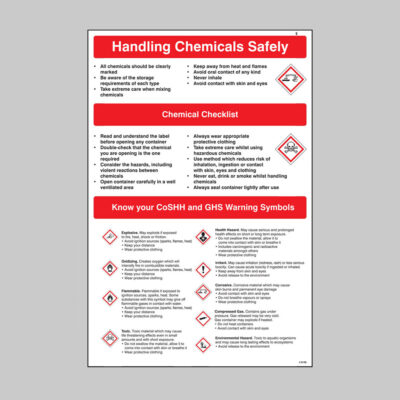
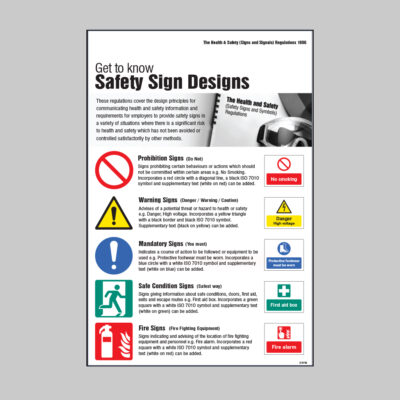
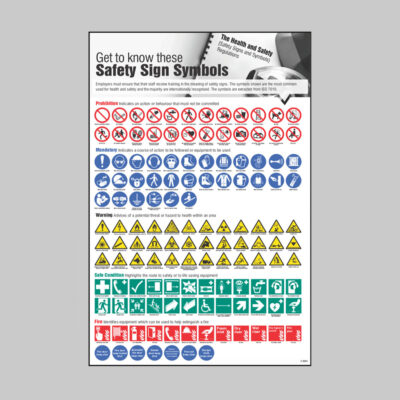
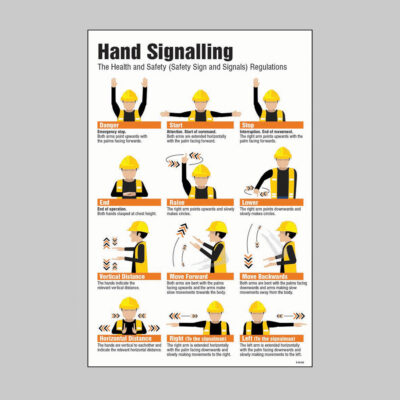
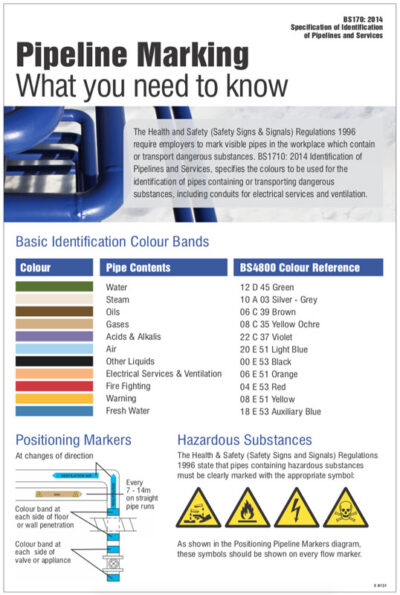
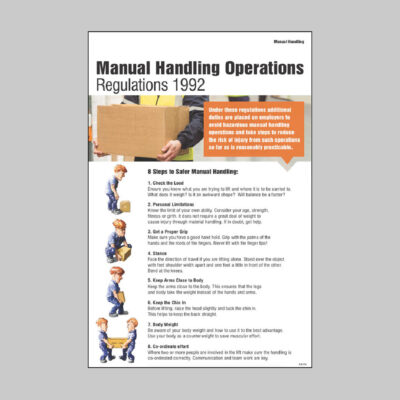
Safety Posters vs Safety Signs
Safety signs and safety posters are not necessarily the same thing.
A safety sign is generally intended to communicate a specific message quickly and visually.
A safety poster can communicate a much larger amount of information.
For example:
A sign might say:
WEAR SAFETY HELMET
A poster might explain:
When helmets must be worn, how to inspect them and why head protection is important.
Both have their place.
Short, highly visible safety signs are particularly useful for immediate workplace communication, while posters and notices can provide additional information and education.
Explore our Safety Posters & Information range for larger-format safety communication.
How Many Safety Signs Do You Need?
There is no universal number.
The right number depends on:
- The size of the workplace
- Number of entrances and exits
- Layout
- Number and type of hazards
- Visibility
- Lighting
- Number of employees
- Visitor traffic
- Emergency arrangements
- Relevant regulations and risk assessments
A warehouse with multiple pedestrian routes may require substantially more directional and warning signage than a small office.
The goal isn’t to cover every available surface with signs.
The goal is to ensure that important safety messages are visible where people need them.
Too few signs can create gaps in communication.
Too many signs can create visual clutter, potentially making important messages harder to notice.
Good signage is therefore about clarity, consistency and relevance.
Can You Have Too Many Safety Signs?
Yes.
More signage does not automatically mean a safer workplace.
If dozens of signs are crowded into one small area, people may struggle to identify which message matters most.
Good safety communication should be:
Clear
Relevant
Consistent
Visible
Understandable
The HSE guidance similarly focuses on signs being sufficiently clear and visible to perform their intended function.
Businesses should therefore avoid adding signage simply because a particular sign happens to be available.
Every sign should have a purpose.
When Should Safety Signs Be Replaced?
Safety signs should be reviewed whenever their condition or relevance changes.
Replacement may be necessary where a sign becomes:
- Damaged
- Faded
- Dirty beyond effective cleaning
- Obscured
- Outdated
- Incorrect
- Detached
- Difficult to read
Signage should also be reviewed when:
- A workplace layout changes
- New machinery is installed
- A process changes
- A new hazard is introduced
- Access arrangements change
- Emergency routes change
- Legislation or site requirements change
A workplace sign that was appropriate five years ago may no longer be sufficient today.
What Makes a Good Safety Sign?
A good safety sign should communicate the intended message clearly and effectively.
Depending on its purpose, it should be:
Clearly visible
People need to be able to see it.
Easy to understand
The meaning should be clear.
Appropriate to the hazard
The sign should communicate the right message.
Suitable for the environment
The material and finish need to withstand the conditions.
Correctly positioned
The sign should be located where people need the information.
Properly maintained
Damage, fading or obstruction can reduce effectiveness.
Consistent
Using recognised colours, shapes and symbols helps create a coherent safety-sign system.
Choosing Safety Signs for a New Workplace
If you’re setting up a new workplace, a structured approach can save time and prevent gaps.
Start by looking at the site from the perspective of:
Employees
Visitors
Contractors
Delivery drivers
Then walk through the site and consider:
What hazards will people encounter?
What actions do they need to take?
What activities are prohibited?
Where are emergency exits?
Where is first aid equipment?
Where is fire equipment?
Which areas are restricted?
Where are pedestrians and vehicles interacting?
Where might someone unfamiliar with the site become confused?
This process can reveal requirements that aren’t obvious when simply browsing a product catalogue.
A Practical Safety Sign Checklist
Before installing a sign, consider:
Message
Does the sign communicate exactly what you need?
Category
Is it a warning, mandatory, prohibition, emergency, fire or information sign?
Visibility
Can people see it from the required distance?
Position
Is it located where the message is relevant?
Material
Is it suitable for indoor, outdoor or specialist conditions?
Size
Is it large enough for the environment?
Durability
Will it withstand cleaning, weather, chemicals or physical contact?
Maintenance
Will it remain visible and legible over time?
Consistency
Does it fit with the rest of the site’s signage system?
A Safety Sign Is Only as Good as Its Application
It’s easy to think of safety signage as a simple purchase:
Find sign → buy sign → stick sign to wall.
In reality, effective signage involves much more.
The right sign in the wrong location can fail.
The wrong sign in the right location can fail.
A correct sign that is too small can fail.
A clear sign that becomes faded or obscured can fail.
A perfect warning sign used where the hazard should instead be controlled by engineering measures can also be inappropriate.
Good signage therefore requires businesses to consider the message, location, visibility, environment and wider safety controls together.
Frequently Asked Questions About Safety Signs
What are the four main types of safety signs?
The main workplace safety-sign categories include warning, mandatory, prohibition, and emergency/safe-condition signs, with fire-fighting equipment signs and information signs also forming important parts of a workplace signage system.
What does a yellow safety sign mean?
Yellow or amber is commonly used for warning signs, indicating that people should take care or take precautions.
What does a blue safety sign mean?
Blue is commonly used for mandatory signs, communicating that a specific action or behaviour is required.
What does a red safety sign mean?
Red is used for meanings including prohibition and danger-related instructions, while red signs are also commonly used to identify fire-fighting equipment.
What does a green safety sign mean?
Green is used for emergency escape, first aid and safe-condition information, including emergency exits and escape routes.
What is ISO 7010?
ISO 7010 is a standard covering registered safety signs used for areas including accident prevention, fire protection, health hazard information and emergency evacuation. Its graphical signs use standardised safety colours and shapes based on ISO 3864 principles.
Are safety signs required by law?
Some workplace situations require safety signs or signals where they are necessary to communicate relevant safety information. The precise requirements depend on the workplace, hazards and applicable legislation.
Do safety signs make a workplace legally compliant?
Not by themselves. Safety signage should form part of a wider approach to risk assessment and risk control. Signs do not replace safe working methods, training or other appropriate measures.
How often should safety signs be replaced?
There is no single universal replacement interval. Signs should be inspected and replaced where they become damaged, faded, obscured, outdated or otherwise unable to perform their intended function. The HSE states that safety signs should be properly maintained.
What material should a safety sign be made from?
The correct material depends on where and how the sign will be used. Indoor workplace environments may require different materials from exposed outdoor, industrial or specialist environments.
Final Thoughts: Why Safety Signage Matters
Safety signs may be simple, but their purpose is important.
A well-designed signage system can help people:
Recognise hazards
Understand required actions
Identify prohibited activities
Find emergency exits
Locate first aid and fire equipment
Navigate unfamiliar workplaces
Understand workplace instructions
Standardised colours, shapes and symbols provide a common visual language, while appropriate placement, sizing, materials and maintenance help ensure signage remains effective. The HSE and recognised standards such as ISO 7010 provide an important framework for how safety information can be communicated consistently.
But the most important principle is perhaps the simplest:
Safety signs should support good safety management, not replace it.
The right sign, in the right place, communicating the right message can be a valuable part of a well-managed workplace.
Gary Homan is the Founder and Managing Director of HSE Store, a specialist UK supplier of high-quality British-made workplace safety equipment. With over 15 years of frontline experience in senior warehousing, logistics, and health & safety operations, Gary has worked at the sharp end of major safety projects across industrial and manufacturing environments.
Frustrated by the widespread use of substandard or ill-fitting safety solutions that put workers at risk, he established HSE Store to deliver practical, reliable equipment and expert guidance that genuinely protects people and raises safety standards. His deep operational expertise continues to shape every product, guide, and recommendation on the site.